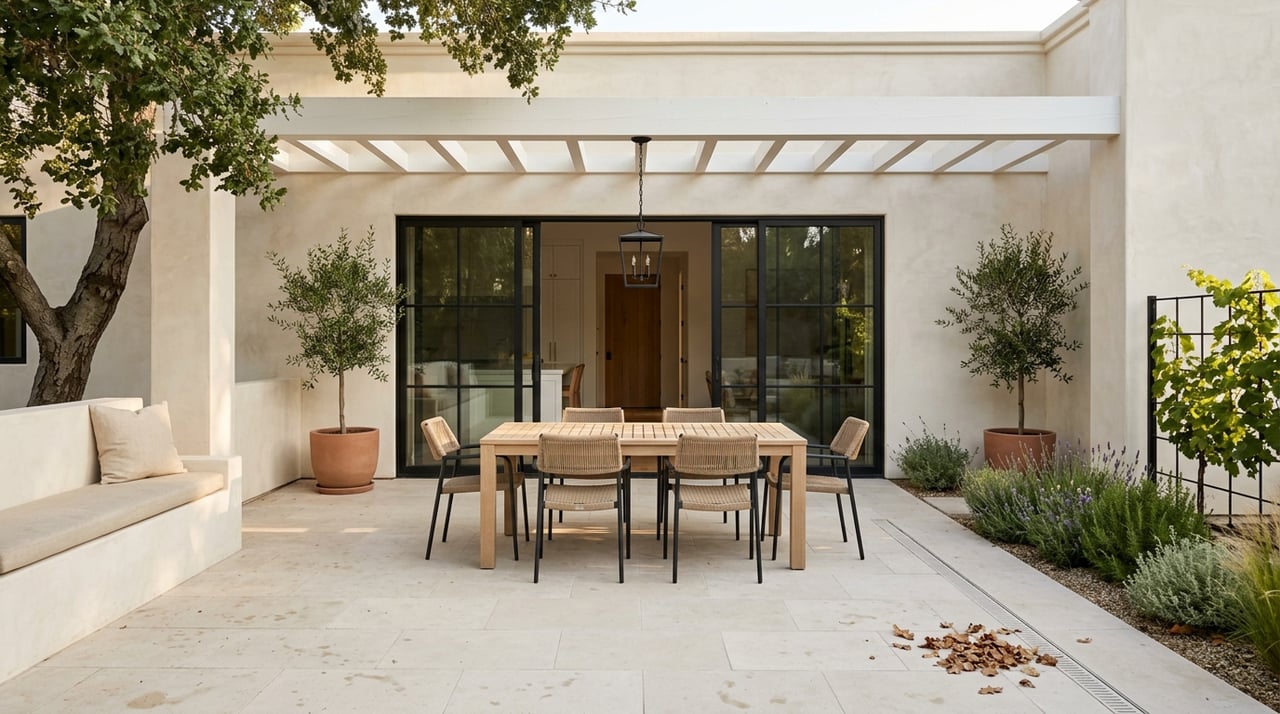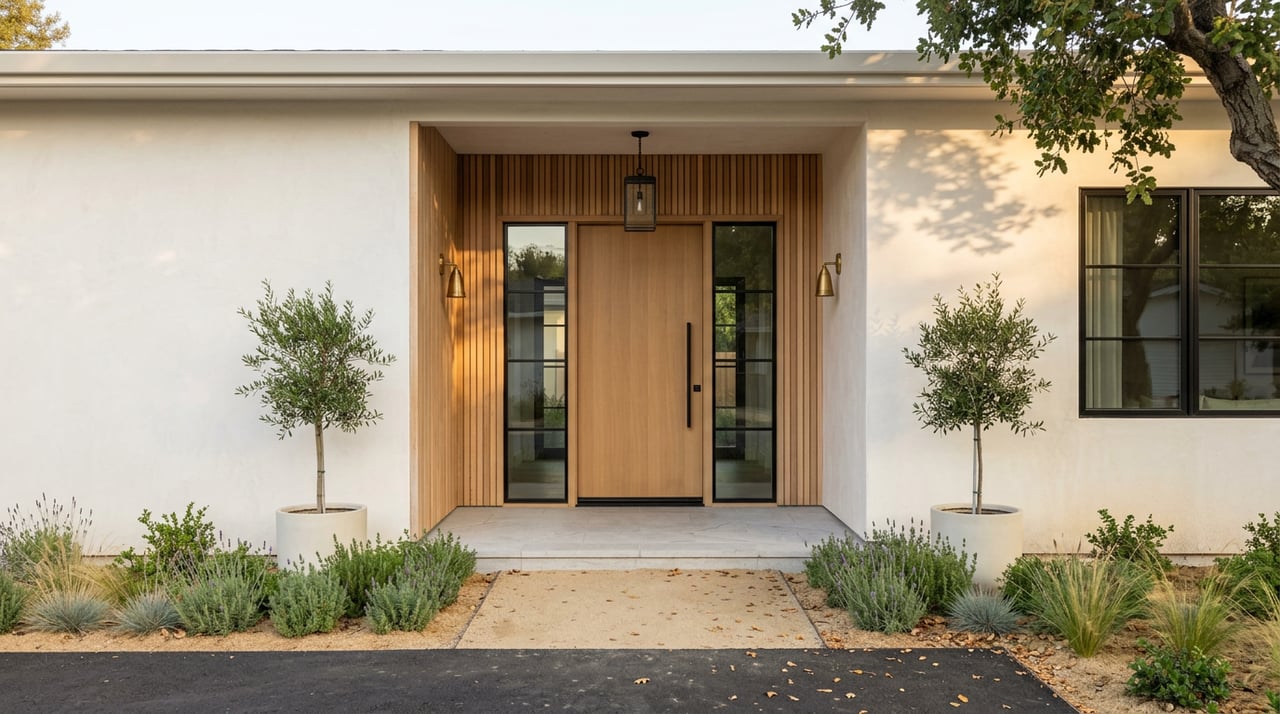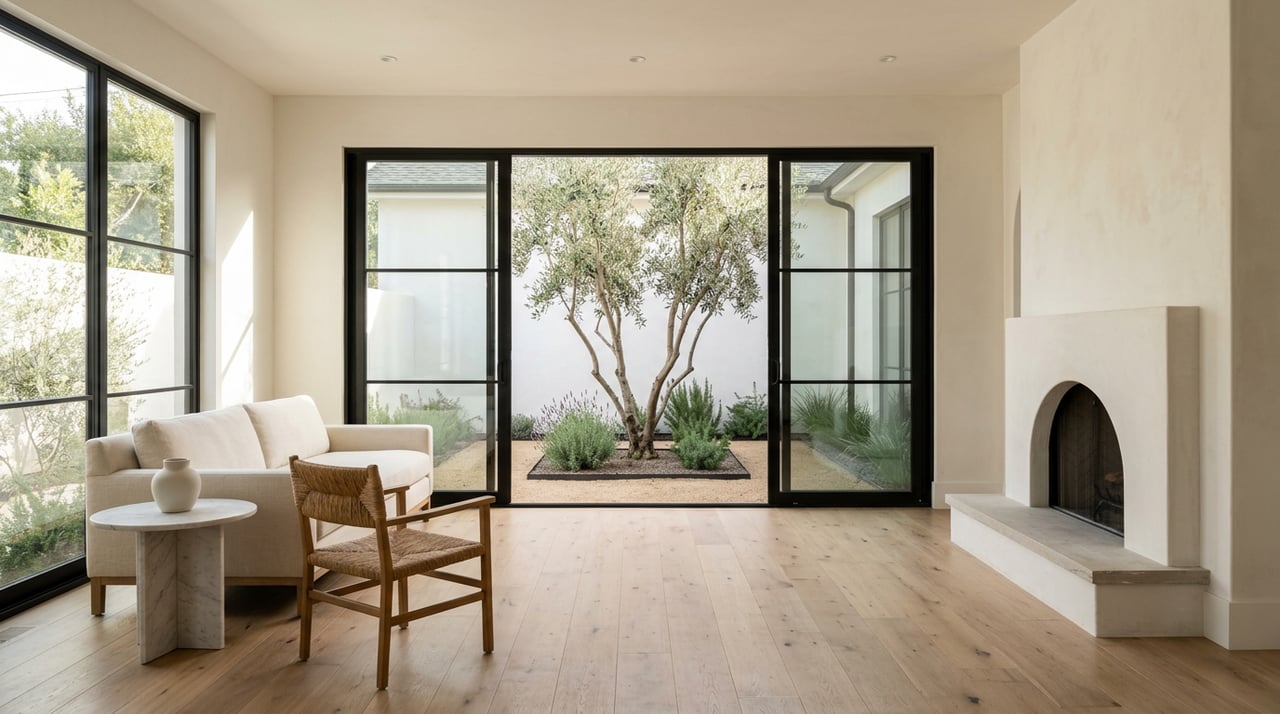
What makes St. Helena one of Napa Valley’s most coveted addresses, and how do you navigate a market where a single sale can reset the conversation? If you are eyeing a purchase or considering a sale, you know decisions here carry weight. In this guide, you will get a clear read on pricing behavior, the property types that set the tone, who the buyers are, and how to prepare and market a luxury listing for the best result. Let’s dive in.
St. Helena luxury snapshot
St. Helena sits at the high end of Napa Valley pricing. Early 2026 aggregator snapshots showed a city median near the high $1 millions, with some indices closer to the mid $1 millions. Because the market is thin, a single $5 to $20 million closing can swing a monthly median. That is why price per square foot is a better anchor here.
Local reporting highlighted a short-window median near about $1,000 per square foot in 2025, among the highest in Napa County. That helps explain why modest footprints with top finishes can list in the multi-million range in town. You can review that context in the Press Democrat’s coverage of price trends for St. Helena and the county here.
Days on market move around. Published snapshots in 2025 and 2026 showed periods near 100 to 160 days. In this price tier, timing, negotiation, and presentation do as much work as marketing volume.
For wider context, late 2025 reporting cited an unusually large pool of $5 million plus and $10 million plus listings across Napa and Sonoma. That broader luxury inventory matters because ultra-luxury buyers compare options across valley towns. See the county-level backdrop summarized here.
What drives pricing
Pricing in St. Helena’s luxury band is not one-size-fits-all. Expect wide variance in comparable sales. To price well, you will weigh:
- Nearby-town comps. Yountville, Oakville, and Rutherford can inform values when local comps are sparse.
- Land and usability. Flat, usable acreage trades at a premium. Water reliability is a core driver.
- Entitlements. Existing winery use permits, marketing approvals, and tasting rights shape value and deal timelines. Napa County’s Winery Definition Ordinance governs what can transfer and how, so always confirm details with county policy documents here.
- Architecture and amenities. Guest houses, climate-controlled wine cellars, resort pools, privacy, and curated outdoor living all add measurable value.
Property types that lead
St. Helena luxury typically clusters into three profiles:
- Town-edge and Main Street estates. You get walkability to restaurants and boutiques, high per-square-foot values, and smaller land footprints. Buyers here prize turnkey finishes and lifestyle access.
- Vineyard and agricultural estates. Ranging from small ornamental blocks to producing acreage with crush pads and barrel rooms, value tracks with planted acres, grape contracts, water, and any existing winery entitlements.
- Hillside and view compounds. Larger lots, long valley views, and privacy. These often center on retreat living with terraces, pools, and outdoor kitchens rather than production infrastructure.
Buyer motivations to expect
Understanding motivation helps you tailor presentation and terms.
- Lifestyle primary residence. Seeks daily Wine Country living, privacy, low-maintenance vines, and curated indoor-outdoor spaces. Turnkey finish is key.
- Second-home and experience. Looks for a seasonal retreat with guest capacity and a smooth ownership experience. Local reporting notes a significant share of the town’s vacant ownership stock are second homes, which supports demand for turnkey offerings and remote-buyer outreach. Get the local context here.
- Producer or operator. Buys producing tons, seeks permit clarity, and values crop yields and margins over décor. Detailed records drive offers.
- Investor or land bank. Focuses on scarce acreage, water, and long-term appreciation. Compares across valley towns and price bands.
- Hospitality or developer. Evaluates lodging or event potential but faces higher operating risk and intensive approvals. Recent financing stress at a major Napa resort underscores that risk. See that background here.
Timing, inventory, strategy
Thin luxury markets reward planning more than speed. Many vineyard and estate sellers target a post-harvest window. That timing removes crop-risk ambiguity and lets you present current-vintage data. Across the valley, elevated luxury inventory can create more comparison shopping, so positioning and negotiation matter as much as price.
Practical moves you can make:
- Build a 6 to 12 month runway to gather records, prepare visuals, and address repairs.
- Monitor active and pending listings in your price tier and neighboring towns.
- Decide early whether to launch privately or publicly, based on your privacy and liquidity goals.
Marketing that moves estates
At the top of the market, the baseline is high. Your listing should lead with immersive visuals and a clear story.
- High-fidelity visuals. Cinematic lifestyle film, drone overviews, twilight stills, and interactive floor plans filter serious remote buyers and set an elevated tone. See the core visual toolkit outlined here.
- Branded distribution and PR. Use targeted placements where your likely buyer spends time. International reach and luxury press matter for $5 million plus.
- Private outreach. Broker previews, invitation-only events, and curated print to vetted lists can build competitive tension while preserving privacy. Practical tactics are summarized here.
Negotiation and deal terms
In this tier, structure is a lever. A concierge team will protect value by shaping exposure and clarifying terms upfront.
- Buyer qualification. Require proof of funds or pre-approval for showings and previews.
- Harvest and crop language. If listing pre-harvest, document crop allocation, pricing mechanics for fruit sold after contract, and who manages harvest.
- Inventory and equipment. Itemize what conveys, such as barrels, bulk wine, tanks, and farm equipment. Commercial buyers often price these separately. For a quick overview of winery and vineyard due diligence, see this guide here.
- Permit contingencies. For winery uses, tasting approvals, or marketing plans, outline transferability, timelines, and any reversion language. Napa County’s policy hub is your reference point here.
- Exposure strategy. Use staged private previews to build interest before a public launch when conditions favor competition.
Seller prep checklist
Gathering the right materials early speeds qualified decisions and strengthens pricing.
- Virtual data room with title, surveys, easements, permits, well logs, and water documentation.
- Vineyard packet with block maps, plant dates, rootstock or clone info, yield history, and active grape contracts.
- Financials and operations, three to five years of P&L if production matters, plus equipment and FF&E inventories.
- Disclosures and reports, including environmental, inspection, and any active leases or staffing agreements.
- Creative assets, fully edited photography, drone video, twilight stills, and a polished lifestyle film.
- Launch plan, property website and brochure, broker preview schedule, and a distribution plan aligned with privacy goals.
Buyer due diligence basics
Before you write an offer, ask for clarity on:
- Entitlements, confirm winery, tasting, and marketing approvals through county documentation.
- Water and infrastructure, well capacity, irrigation, and frost protection systems.
- Vineyard health, plant dates, replant cycles, and expected yields.
- Contracts and inventory, grape contracts, bulk wine, and equipment to be included or excluded. A concise due diligence overview for winery transactions is available here.
Key takeaways
- Pricing varies widely, and per-square-foot metrics are often more instructive than monthly medians in a thin market.
- Value hinges on land usability, water, entitlements, and amenity quality, not just square footage.
- Buyer motivations range from lifestyle to production. Tailor your story and terms to the most likely profile for your property.
- Preparation and presentation are the edge. Strong records and cinematic marketing help you command attention among discerning, often out-of-area buyers.
If you are planning a sale or searching for your Napa Valley retreat, you deserve a tailored plan, discreet execution, and seasoned negotiation. Connect with Monica Cline-Soulsburg & Senett Dawson to map your strategy.
FAQs
How expensive is St. Helena luxury in 2026?
- Early 2026 snapshots showed medians in the high to mid $1 millions, and local reporting noted a short-window median near about $1,000 per square foot for St. Helena, which helps explain multi-million pricing on modest footprints; see context here.
What makes a vineyard estate worth more?
- Producing acreage, water reliability, grape contracts, and any winery or marketing entitlements can move value materially; Napa County’s policy hub is here.
Is now a good time to sell a St. Helena estate?
- Conditions shift with valley-wide luxury inventory; late 2025 reporting cited elevated $5 million plus and $10 million plus supply, so success depends on timing, presentation, and negotiation; see the broader context here.
How do second homes shape St. Helena demand?
- A notable share of the town’s vacant ownership stock are second homes, which supports demand for turnkey properties and remote-buyer marketing; review the local analysis here.
What should I verify before buying with winery elements?
- Confirm transferable entitlements, water, vineyard health, yields, grape contracts, and what inventory or equipment conveys; a concise due diligence overview is available here.