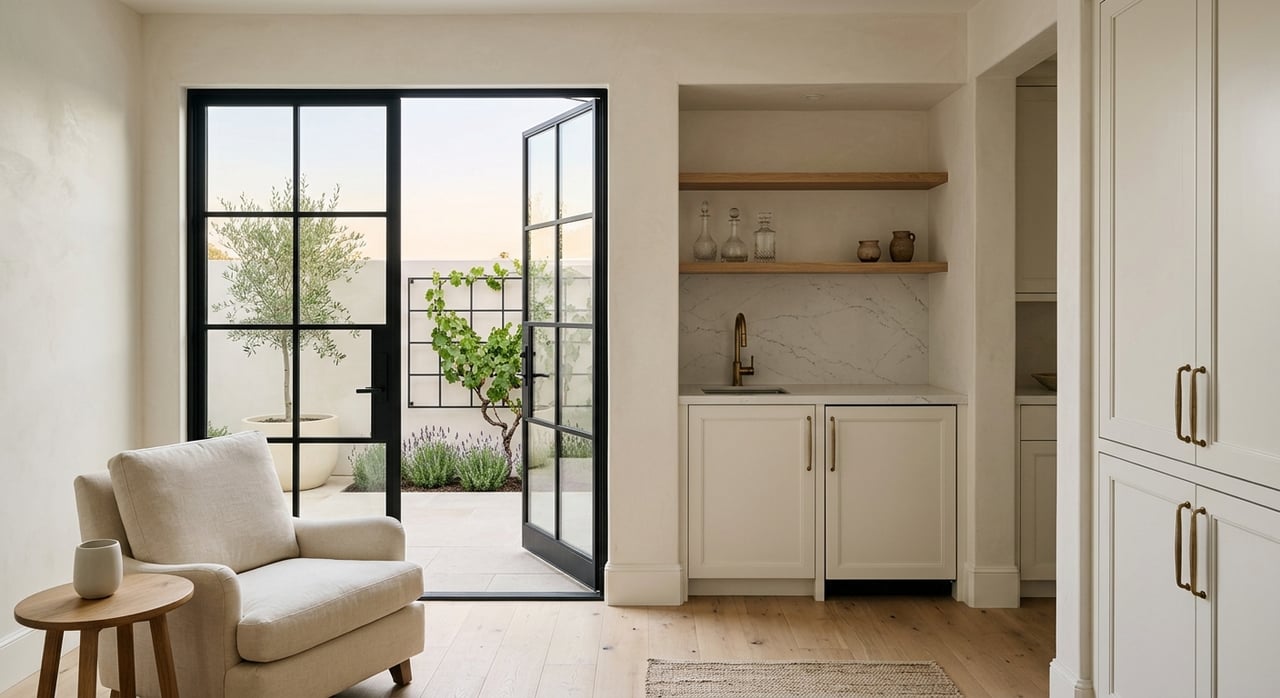
Wondering whether you should fix things up or simply sell your Napa home as-is? It is a common question, especially when you want to protect your time, your budget, and your final sale price. In today’s Napa market, the best answer is usually not all or nothing. A smart plan comes from knowing which updates may help, which repairs may not pay off, and when it makes more sense to price the home based on its current condition. Let’s dive in.
Napa market conditions matter
Napa is not moving at a breakneck pace right now, which makes presentation more important. Over the last three months, homes in Napa sold at a median price of about $859,000, took about 56 days to sell, and closed at 97.4% of list price. About 30.4% of homes had price drops.
That kind of market gives buyers options. When buyers can compare several homes, condition, cleanliness, and first impressions can shape how quickly your home sells and how strong your offers look. That does not mean you need a full remodel, but it does mean thoughtful preparation can matter.
When updates make sense
If your home is in generally solid condition, targeted updates are often the most practical path. The goal is to improve what buyers notice first, both online and in person. That usually means focusing on visible, cosmetic issues instead of taking on large projects that add cost and delay.
According to the National Association of Realtors 2025 staging report, 83% of buyers’ agents said staging made it easier for buyers to imagine a property as a future home. The same report found that 29% said staging led to a 1% to 10% increase in the dollar value offered, and 49% of sellers’ agents said staging reduced time on market.
High-impact updates to consider
In Napa, the most worthwhile pre-listing work is often simple and strategic:
- Decluttering
- Deep cleaning
- Repainting scuffed or dated walls
- Improving curb appeal
- Refreshing worn flooring in noticeable areas
- Staging key living spaces
These updates can help your home feel cared for and more move-in ready. They also tend to show well in listing photos, which is especially important when buyers are deciding what to tour.
Why selective prep often wins
Not every dollar you spend before listing comes back to you in the sale. Broad remodeling research from NAR suggests that project value varies, which is why sellers often do best when they focus on changes that improve how a home looks and feels right away.
In practical terms, that means a fresh, clean, polished home can outperform a similar home with visible wear, even without a major renovation. In Napa’s current market, this kind of selective prep is often easier to defend than an open-ended remodel.
When selling as-is may be smarter
Sometimes the right move is to skip the updates and sell as-is. This can make sense when the home has larger structural or system issues, when repairs may involve permits or extended timelines, or when you simply need to get to market quickly.
Selling as-is can also be appropriate when the likely return on repairs is unclear. If the work is expensive, invasive, or likely to delay your listing by weeks or months, you may be better off pricing for condition and letting the next owner decide how they want to improve the property.
Situations where as-is may fit
Selling as-is may be worth considering if:
- The home has structural, electrical, plumbing, roofing, or other major issues
- Repairs could trigger permit review or added coordination
- You need a faster sale timeline
- The cost of work may outweigh the likely resale benefit
- The home’s condition is already reflected in the pricing strategy
This approach can be especially relevant for properties with more complex conditions, including hillside or rural homes where hazard-related questions may also be part of buyer due diligence.
California disclosures still apply
If you sell as-is in Napa, you still need to meet California disclosure requirements. Selling as-is does not remove your obligation to disclose known material facts.
California’s Real Estate Transfer Disclosure Statement is not a warranty and not a substitute for inspections. The California Department of Real Estate states that the TDS must be provided to a prospective buyer before transfer of title.
Hazard disclosures matter in Napa
California also requires natural hazard disclosures when applicable. These may include flood zones, very high fire hazard severity zones, wildland fire areas, earthquake fault zones, and seismic hazard zones.
In Napa, that matters because wildfire exposure and other hazard questions often come up during buyer due diligence, especially for hillside or more rural properties. Accurate preparation is important whether you update the home or sell it as-is.
Use licensed experts when needed
If you discover a material issue, it is wise to rely on licensed professionals for opinions and documentation. The California Department of Real Estate notes that reports or opinions from licensed experts can help support required disclosures.
That means you should avoid guessing about defects, repair quality, or code issues. Instead, lean on appropriate professionals such as inspectors and contractors when questions come up.
Napa permits can affect your decision
Before starting pre-sale improvements, it helps to understand whether the work could require permits. In the City of Napa, the Building Division enforces building standards and adopted the 2025 California Building Code effective January 1, 2025.
The city also provides access to current and historical permit and development records through eTRAKiT. For sellers, that means it is worth verifying the scope of any planned work before moving forward.
Some projects involve extra review
The City of Napa notes that some projects may also trigger review by the Napa Sanitation District or Napa Valley Unified School District. Even a project that seems straightforward can involve more coordination than expected.
That is one reason many sellers choose limited, targeted improvements instead of larger pre-listing renovations. If the work adds complexity without a clear payoff, selling as-is or doing less may be the better business decision.
How Compass Concierge may help
If your home would benefit from updates but you do not want to pay large upfront costs, Compass Concierge may be worth exploring. The program fronts the cost of selected home-improvement services with zero due until closing.
Compass says the program is intended to help sellers sell faster and for a higher price. Covered services include staging, flooring, painting, landscaping, cosmetic renovations, kitchen improvements, bathroom improvements, and seller-side inspections and evaluations, among many others.
What to know before using it
Compass also states that it is not a lender. Repayment happens when the home sells, when the listing ends, or when 12 months pass from the Concierge start date, and fees or interest may apply depending on the state and program terms.
For some Napa sellers, this can be a useful way to complete high-impact prep without writing a large check upfront. It still works best when paired with a realistic budget and a clear plan for which updates are most likely to improve marketability.
Marketing can start before full launch
Compass also describes marketing options that can begin with Private Exclusives or Coming Soon exposure before the home goes fully live. For a property that needs some prep, that can create early momentum while work is being completed.
This can be especially helpful if you want to balance timing, presentation, and buyer interest without rushing the process.
A simple Napa decision guide
If you are deciding whether to update or sell as-is, a practical framework can help.
Choose targeted updates if...
- The issues are cosmetic and easy to spot in photos or showings
- The home is fundamentally sound
- Decluttering, cleaning, paint, flooring, landscaping, or staging could improve first impressions
- You want to strengthen buyer confidence without taking on a full remodel
Lean toward as-is if...
- The home has structural or systems-related concerns
- The work may be permit-sensitive or tied to larger disclosure questions
- Repairs could delay your ideal listing timeline
- You would rather price for condition than manage a long prep period
Ask one key question
The most useful question is this: Will this improvement help enough to justify the cost, time, and delay? In Napa’s current market, where homes are taking about 56 days to sell and price reductions are common, that comparison matters.
The right answer is different for every property. Some homes only need polish. Others are better positioned with transparent disclosures, strategic pricing, and an as-is sale plan.
A thoughtful local strategy can help you avoid overspending, reduce unnecessary stress, and launch with confidence. If you are weighing your options in Napa, Monica Cline-Soulsburg & Senett Dawson can help you evaluate your home, identify the highest-impact next steps, and create a plan that fits your goals.
FAQs
Should you renovate before selling a home in Napa?
- Not always. In many Napa sales, targeted cosmetic updates like cleaning, decluttering, paint, curb appeal, and staging make more sense than a major remodel.
Can you sell a house as-is in Napa, California?
- Yes. You can sell a Napa home as-is, but California disclosure requirements still apply, including the Transfer Disclosure Statement and applicable natural hazard disclosures.
What updates add the most value before listing a Napa home?
- High-visibility improvements often have the strongest impact, including decluttering, deep cleaning, repainting scuffed walls, improving curb appeal, refreshing worn flooring, and staging main living areas.
Do permits matter for pre-sale home updates in Napa?
- Yes. If your project requires a permit, you should verify scope and code requirements with the City of Napa Building Division before starting work.
Is Compass Concierge available for Napa home sellers?
- Compass Concierge may help Napa sellers cover selected pre-sale services such as staging, painting, flooring, landscaping, cosmetic renovations, and certain seller-side evaluations, with payment due later under program terms.