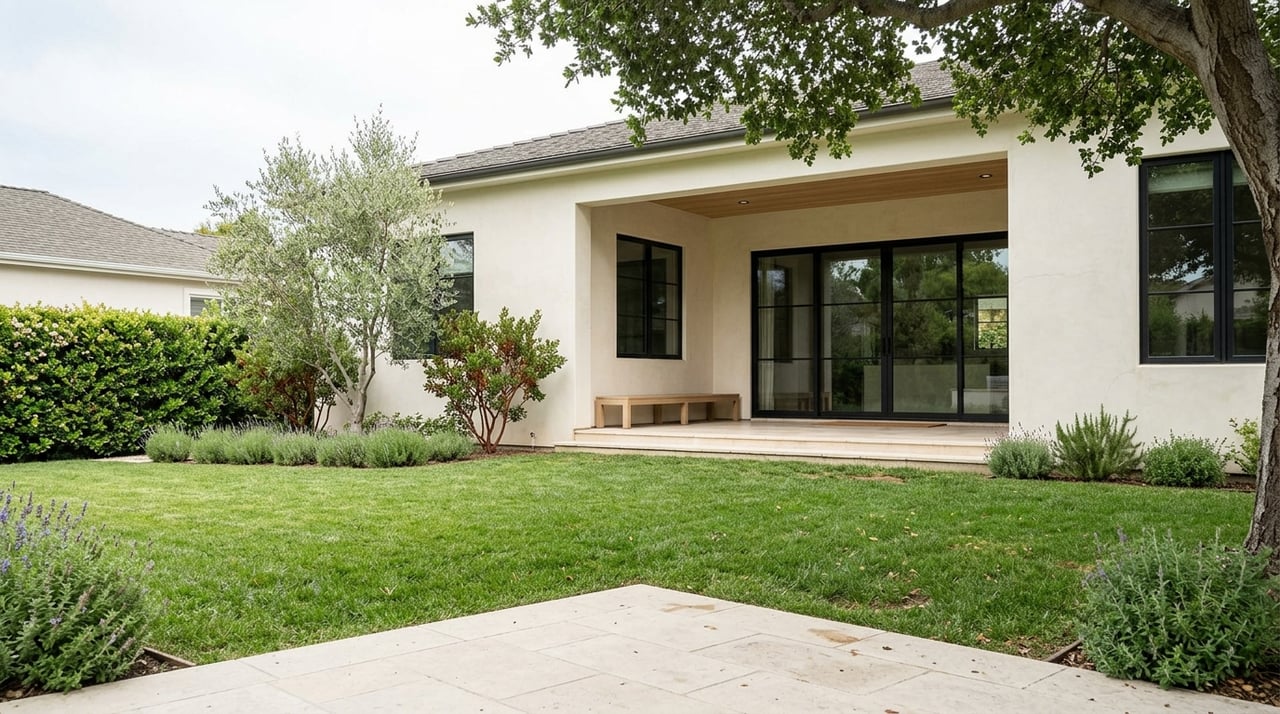
Thinking about leaving the Bay Area for Napa? You are not alone, and the move often looks simple at first glance: lower prices than the core San Francisco metro, more space, and a different daily pace. But once you start comparing actual homes, lot sizes, and commute options, you quickly see that Napa is not one-size-fits-all. This guide will help you understand how Napa housing differs from the Bay Area, what to watch for in your search, and how to make a smart relocation plan. Let’s dive in.
Napa Prices vs. Bay Area Prices
If you are moving from the Bay Area, one of the first things you will notice is that Napa can sit in a meaningfully different price tier. Redfin’s most recent Napa city snapshot shows a median sale price of $858,986, while Redfin’s March 2026 San Francisco metro report shows a median sale price of $1.7 million.
That does not mean Napa is inexpensive. It means your budget may stretch differently here than it would in the densest Bay Area markets. In many cases, the choice is less about finding a bargain and more about deciding whether you want a different home style, a larger lot, or a different commute setup.
Census data helps reinforce that picture. Napa’s estimated median value of owner-occupied housing units was $856,400, which closely tracks the current market snapshot and shows consistency between recent market activity and longer-range housing data.
What Your Budget May Change
For many relocation buyers, the real question is not just, “Can I spend less?” It is, “What does the same budget buy me in Napa?” That answer can vary quite a bit depending on whether you focus on central Napa, infill areas, or the county edge.
Census estimates show Napa’s owner-occupied housing rate at 58.7%, median monthly owner costs with a mortgage at $3,246, and median gross rent at $2,282. Those numbers suggest a market where ownership remains common, but housing costs are still a major part of the monthly budget.
In practical terms, your move may be about tradeoffs. You might gain architectural character, a different lot size, or a calmer-feeling setting, while also needing to think more carefully about transportation and property rules.
Napa Home Styles Have More Variety
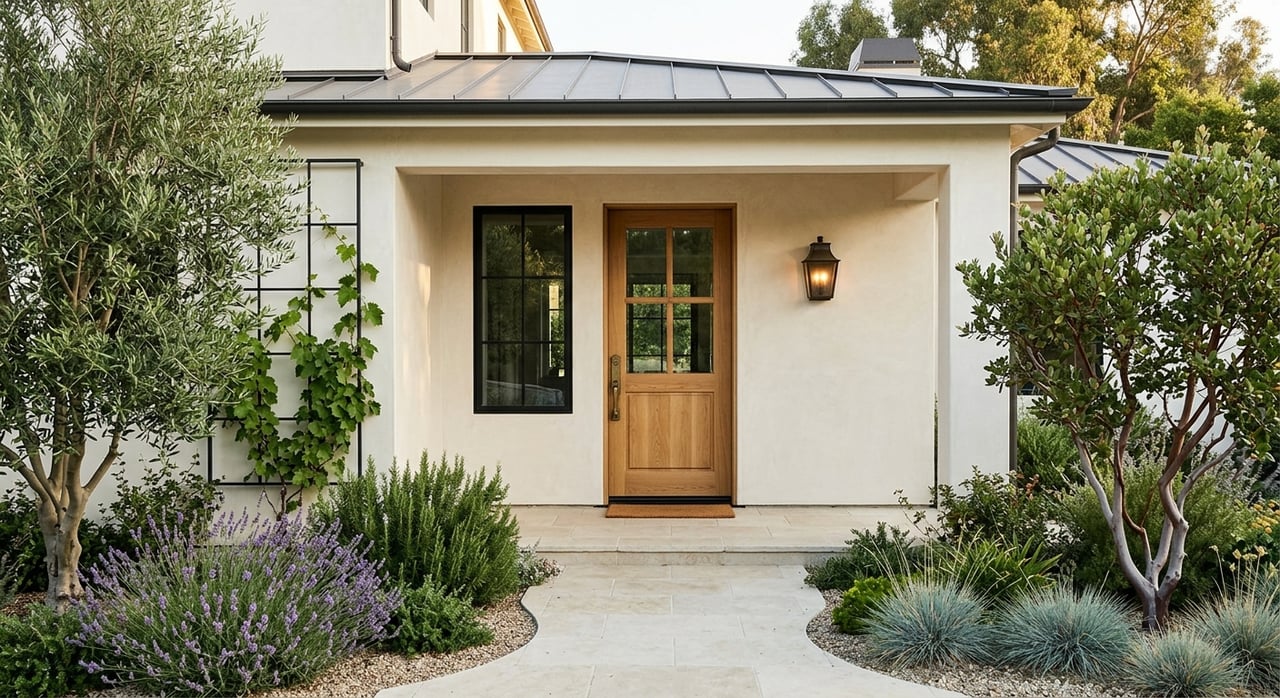
One of Napa’s biggest differences from many Bay Area search experiences is the architectural mix. Older Napa neighborhoods include Victorian-era homes, Italianate and Queen Anne details, Craftsman homes, bungalows, Prairie-style influences, Spanish or Mission Revival homes, Mediterranean Revival styles, and later California Ranch homes.
That variety can be especially appealing if you are coming from a market where newer construction, denser development, or more uniform subdivisions dominate your search. In Downtown Napa’s historic context, one- and two-story single-family homes were predominant in the 1920s and 1930s, and many were built individually rather than as large tract developments.
For you as a buyer, that often means more character from one street to the next. It also means homes may differ more in layout, condition, and future improvement potential, even within a relatively small search area.
Lot Sizes Can Shift Quickly
Napa’s housing search gets more nuanced when you look at land. Within the City of Napa, minimum lot areas in residential districts range from 4,000 square feet to 40,000 square feet, with several standards in between.
That is a wide spread, and it helps explain why one Napa listing may feel compact and close-in while another feels much more spacious. If you are relocating from the Bay Area, it is important not to assume that all Napa homes come with large parcels or easy expansion options.
If you widen your search into Napa County, lot sizes can increase dramatically. County code includes residential districts at 8,000 square feet, a residential country district at 10 acres, and agricultural preserve or agricultural watershed districts at 40 and 160 acres.
The takeaway is simple: Napa can mean an in-town lot, a suburban-style setting, or true acreage. Your search results may look very different depending on whether you stay within city limits or explore farther into the county.
Zoning Matters More Than Many Buyers Expect
Before you assume a property will allow a bigger addition, a different yard use, or future expansion, it is worth slowing down. The City of Napa notes that property-specific zoning and overlay rules can differ by parcel, and buyers are directed to review the interactive zoning map.
Overlay districts can add another layer of review. The city notes areas such as hillside, floodplain management, and traffic impact overlays, which may affect what is straightforward and what requires more review.
This matters because two homes with similar price points can come with very different long-term flexibility. If you are relocating and comparing homes quickly, zoning can be one of the easiest details to overlook and one of the most important to verify early.
Commute Planning Should Come First
Many Bay Area buyers start with price and style, then think about the drive later. In Napa, that order can create frustration. A home that looks perfect online may feel very different once you map the real-world commute.
Census data shows Napa city workers report a mean travel time to work of 23.9 minutes. But for buyers who still work in or connect to the Bay Area, the bigger issue is not the average local commute. It is the route structure and how you actually plan to travel.
Vine Transit provides local fixed-route and on-demand service, along with regional express bus service to BART, Amtrak, and the San Francisco Bay Ferry in Vallejo. The Vallejo Transit Center Ferry Terminal is served by San Francisco Bay Ferry, SolTrans, and Vine, and the ferry operates the Vallejo-San Francisco route.
That means your commute may involve driving, a bus connection, the ferry, or a mix of all three. The right Napa home for you is often the one that works with your actual weekly routine, not just your wish list.
Start With Your Real Commute Pattern
Before you schedule tours, define your commute boundary. Ask yourself how many days a week you need to be in the Bay Area, whether you are comfortable driving the full route, and whether a bus or ferry connection fits your schedule.
This step can help narrow your search faster than almost anything else. It may also save you from falling in love with a home that does not match your day-to-day life.
If your work pattern is hybrid, your answer may be different than someone commuting daily. That is why relocation planning in Napa works best when you match housing choices to your real calendar, not just to a map.
A Smart Napa Search Strategy
Relocation buyers usually do best with a plan that connects budget, property type, and transportation from the start. Napa is still somewhat competitive, with homes selling in about 56 days and averaging around 3 offers per home.
That pace is not the same as the most intense Bay Area markets, but it still rewards preparation. If the right property appears, being organized can help you move with confidence.
Here is a practical framework to use:
- Set your commute boundary first. Decide whether you will drive, use regional bus connections, take the Vallejo ferry, or combine options.
- Get pre-approved early. With multiple offers still common, preparation matters.
- Compare by housing type, not just price. Historic areas, infill districts, and county properties can deliver very different experiences.
- Review zoning before making assumptions. Lot use, additions, and future plans may depend on parcel-specific rules.
- Map the actual property route. A good-looking location on paper may function very differently in real life.
Compare Napa Micro-Markets Carefully
One of the biggest mistakes relocation buyers make is treating Napa like one uniform market. It is not. The city blends historic detached homes, infill districts with smaller lots, and county-edge areas where acreage can become part of the conversation.
That means price alone rarely tells the full story. A home in one part of Napa may offer character and proximity, while another may offer land, privacy, or a different commute pattern.
The most useful approach is to compare homes within the context of how you want to live. When you balance architecture, lot size, transportation, and zoning together, the right fit usually becomes much clearer.
Why Local Guidance Helps
For Bay Area buyers, Napa can feel both familiar and surprisingly specific. The market has strong demand, meaningful price differences from the core Bay Area, and a housing mix that changes quickly by area and jurisdiction.
That is where local insight becomes especially valuable. When you are evaluating a historic home versus an infill property or deciding between city convenience and county acreage, details matter.
A thoughtful relocation plan can help you avoid false starts and focus on homes that truly support your budget, your routine, and your long-term goals in Napa.
If you are planning a move from the Bay Area to Napa, Monica Cline-Soulsburg & Senett Dawson can help you connect the dots between pricing, lot size, commute considerations, and neighborhood fit with the kind of local guidance that makes your next move feel clear and well managed.
FAQs
What is the current home price difference between Napa and the Bay Area?
- Redfin reports Napa’s median sale price at $858,986, compared with $1.7 million for the San Francisco metro in March 2026.
What kinds of homes can you find in Napa?
- Napa includes Victorian-era homes, Italianate and Queen Anne details, Craftsman homes, bungalows, Prairie-style influences, Spanish or Mission Revival homes, Mediterranean Revival homes, and California Ranch styles.
How large are lots in Napa?
- In the City of Napa, residential minimum lot areas range from 4,000 to 40,000 square feet, while Napa County zoning can expand from standard residential lots to 10-acre, 40-acre, or even 160-acre districts.
What should Bay Area commuters know about living in Napa?
- Napa commuters should look beyond distance and study actual route options, since regional mobility often involves driving, Vine bus connections, transfers to BART or Amtrak, or the Vallejo-San Francisco ferry.
Why is zoning important when buying a home in Napa?
- Zoning and overlay districts can affect lot use, additions, and future changes, and the City of Napa notes that parcel-specific rules may vary by property.
What is the best first step when relocating to Napa from the Bay Area?
- A strong first step is setting your commute boundary before touring homes, then getting pre-approved so you can act quickly when the right property appears.