Dreaming about a home beside the vines in St. Helena? It is easy to see the appeal. Vineyard-adjacent homes often offer open views, a true wine-country setting, and a strong connection to the landscape that makes Napa Valley so distinctive. At the same time, these properties come with practical realities that differ from a home in a purely residential area. If you are considering this niche, here is what to know before you buy. Let’s dive in.
Why vineyard-adjacent homes feel different
St. Helena describes itself as the center of Napa Valley and notes its long history as a rural agricultural center. That matters because agriculture is not just a backdrop here. It is part of the community fabric, alongside parks, open space, and civic uses.
The city’s 2040 plan says agriculture designations make up more than 48% of land within the city. In those areas, agricultural and winery uses are allowed, while residential use is more limited. For you as a buyer, that means a vineyard-adjacent home often sits at the edge of active working land, not simply next to an undeveloped scenic parcel.
The lifestyle appeal of living by vineyards
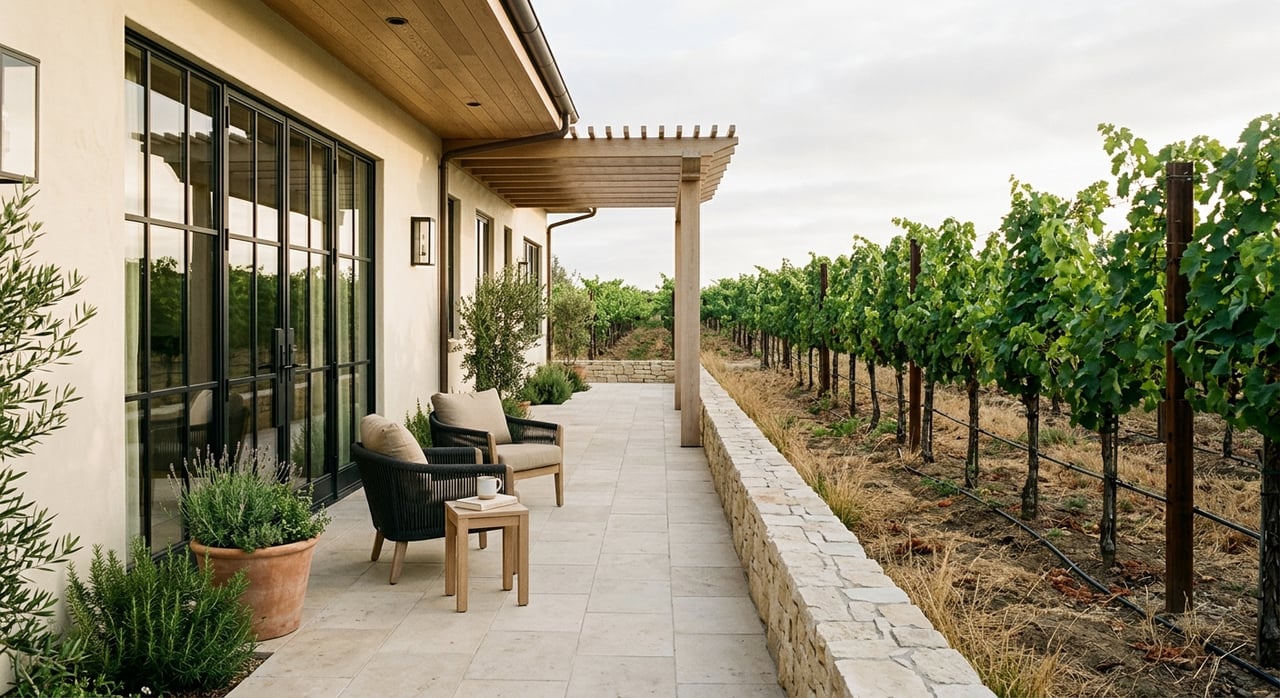
For many buyers, the biggest draw is the setting. Napa County policy recognizes vineyards as an accepted and attractive visual feature, and St. Helena itself is known for its scenic character and ties to the wine industry.
That can translate into a living experience that feels more open and connected to the land. You may enjoy long sightlines, fewer built barriers, and a sense of space that is hard to find in a conventional neighborhood. If you are looking for a home that feels unmistakably Napa Valley, this micro-market can be especially compelling.
What buyers often love most
- Expansive vineyard or valley views
- A strong sense of open space
- A setting tied closely to Napa Valley’s agricultural identity
- A lifestyle feel that can be more private and peaceful than denser residential areas
The trade-offs to understand
Open space and scenic views usually come with fewer buffers between your home and neighboring agricultural operations. That is one reason these properties feel special, but it is also why buyers need to understand what day-to-day life may look like.
Napa County states that noises associated with agriculture, including agricultural processing, are a normal part of county character. In practical terms, a nearby vineyard may bring tractors, worker vehicles, and more activity during certain times of year.
This does not mean constant disruption. It does mean your expectations should match the setting. Vineyard-adjacent ownership is best approached as a lifestyle choice with working agricultural conditions nearby.
Seasonal activity is part of the experience
One of the biggest questions buyers ask is whether the vineyard next door will stay quiet. Not always. County environmental review materials note that vineyard work can include early-morning or late-evening harvest activity when weather is coolest and wind is lightest.
You may also see temporary spot lighting during routine vineyard maintenance such as sulfuring and during harvest. Traffic can increase around active vineyard parcels as workers and equipment move in and out. In many cases, this activity is seasonal rather than constant, but it is still important to factor into your decision.
What that may look like
- Early starts during harvest periods
- Evening activity at certain times of year
- Tractors or agricultural equipment nearby
- Short-term lighting during maintenance or harvest
- More road traffic near working vineyard parcels
Right to Farm matters in St. Helena
If you are buying near active farmland, California’s Right to Farm law is important to understand. The law specifically covers viticulture and says a commercial agricultural activity that has been in operation for more than three years and follows accepted local customs and standards cannot become a nuisance simply because surrounding conditions change.
In simple terms, you should not assume normal vineyard operations can later be challenged just because a home is nearby. That is one reason disclosure review matters so much with vineyard-adjacent homes. It helps you understand both the physical setting and the legal framework around it.
Spray awareness and how to prepare
Spray concerns are common when buyers look at homes near vineyards. California requires sellers and agents to disclose whether a property is within one mile of farmland on the latest Important Farmland Map.
If you want more detail, Napa County’s Agricultural Commissioner says residents can review or copy pesticide-use data through a public-records request. California’s SprayDays tool also shows scheduled applications of California restricted-material pesticides on farms. For buyers who value clarity, this is a smart question to raise early in your due diligence.
Disclosures to review carefully
Every home purchase involves disclosures, but vineyard-adjacent properties deserve extra attention. California transfer disclosure law requires the Real Estate Transfer Disclosure Statement, and California law also requires a Natural Hazard Disclosure Statement for properties in mapped hazard zones.
Depending on the parcel, hazard disclosures may include flood areas, very high fire hazard severity zones, earthquake fault zones, seismic hazard zones, and wildfire-related disclosures tied to state responsibility areas. On top of that, the Right to Farm notice for properties within one mile of farmland is especially important in this niche.
Key items to review
- Real Estate Transfer Disclosure Statement
- Natural Hazard Disclosure Statement
- Right to Farm disclosure if the property is within one mile of mapped farmland
- Any notes on easements, access, shared drives, or gates
- Property-specific information about drainage, grading, and runoff patterns
Access, gates, and rural-edge logistics
A beautiful setting can also come with more complicated access. Buyers should ask about title issues, easements, access drives, and gates, especially when a home sits on the rural edge or outside a more typical subdivision pattern.
Napa County’s Fire Department Access Guide says all residential properties with electric gates require a Knox Key Switch, and manual gates require a Knox Padlock. That may sound like a small detail, but it is a good reminder that access affects emergency response as well as your day-to-day convenience.
Drainage deserves a closer look
Drainage is another issue that can be easy to overlook when the views are doing all the talking. Napa County guidance notes that road systems can be a significant source of sediment and emphasizes the importance of storm-proofing road drainage.
The county also notes that runoff and drainage problems can divert water and debris onto roads and nearby property. For vineyard-adjacent homes, that makes slope conditions, driveway runoff, grading, and water flow patterns worth a careful review before you move forward.
Fire preparedness is part of ownership
In rural-edge and vineyard-adjacent settings, fire readiness is not optional. CAL FIRE says preparedness starts with home hardening and defensible space, including maintaining 100 feet of defensible space where required.
St. Helena’s weed-abatement guidance adds another local layer. Dead or hazardous vegetation must be cut or removed by June 1, properties should be maintained throughout the season, and homes in the wildland-urban interface should maintain 150 feet of clearance around structures.
For you as an owner, that means budgeting for regular vegetation management, roof and gutter clearing, and periodic review of the landscape around fences, outbuildings, and driveways. These ongoing tasks are part of what it means to own a home in a more rural, scenic setting.
Who these homes tend to fit best
Vineyard-adjacent homes in St. Helena are often a strong fit for buyers who value setting as much as square footage. If you are drawn to open views, a distinctly Napa Valley atmosphere, and a property that feels connected to the landscape, this category can be worth serious consideration.
The best outcomes usually happen when buyers go in with clear eyes. If you understand the agricultural context, review disclosures carefully, and plan for the maintenance these properties can require, you are far more likely to enjoy the lifestyle without surprises.
Final thoughts on buying near vineyards
The short version is this: vineyard-adjacent homes in St. Helena offer a rare combination of beauty, openness, and wine-country character. They also come with agricultural activity, disclosure considerations, access details, and fire-preparedness responsibilities that may not exist in a more conventional neighborhood.
That balance is exactly what makes this market niche so unique. With the right guidance, you can evaluate not just the home itself, but the full ownership experience around it. If you are exploring St. Helena properties and want thoughtful, local insight, Monica Cline-Soulsburg & Senett Dawson can help you navigate the details with clarity and confidence.
FAQs
What makes vineyard-adjacent homes in St. Helena different from other homes?
- These homes often sit beside active agricultural land rather than in a fully residential setting, which can affect views, privacy, noise, traffic, disclosures, and ongoing maintenance.
What kind of noise should you expect near a St. Helena vineyard?
- Napa County says agricultural noise is a normal part of local character, and nearby activity can include tractors, worker vehicles, harvest work, and temporary lighting during maintenance or harvest.
What is the Right to Farm disclosure for St. Helena homebuyers?
- California requires disclosure when a property is within one mile of farmland on the latest Important Farmland Map, helping buyers understand nearby agricultural activity and related legal protections.
How can you check pesticide-use concerns near a vineyard-adjacent home in Napa County?
- You can review scheduled restricted-material applications through California’s SprayDays tool and request pesticide-use data from the Napa County Agricultural Commissioner.
What disclosures should you review when buying a vineyard-adjacent home in St. Helena?
- Buyers should review the Real Estate Transfer Disclosure Statement, the Natural Hazard Disclosure Statement, the Right to Farm notice when applicable, and any property-specific information about access, easements, gates, drainage, and runoff.
What maintenance should you plan for with a vineyard-adjacent property in St. Helena?
- You should plan for defensible-space upkeep, vegetation management, roof and gutter clearing, and regular attention to access roads, drainage, and landscape conditions around structures.