What does daily life actually feel like near downtown St. Helena? If you are considering a move, a second home, or a future sale in this part of Napa Valley, that question matters just as much as square footage or lot size. The good news is that downtown St. Helena offers a clear sense of place: compact, walkable, historic, and centered on food, culture, and everyday convenience. Let’s take a closer look.
Downtown St. Helena at a Glance
Downtown St. Helena is shaped by a small-town scale that still feels intentional today. The city has about 5,318 residents across roughly 5 square miles, and current downtown planning is focused on preserving that character while reinforcing downtown as a shopping, dining, and cultural district with pedestrian-oriented development and housing near public amenities.
The downtown planning study area runs roughly from Mitchell Avenue to Fulton Avenue, with Oak Avenue and Railroad Avenue forming the west and east edges. According to the city, this work is meant to guide investment, create outdoor gathering spaces, improve wayfinding, and strengthen the district’s compact, walkable feel.
A Historic Core With Everyday Ease
The historic commercial district covers an 8.3-acre, two-block stretch of Main Street and nearby streets. Many of the buildings sit close together, front the sidewalk, and mix mostly retail with some upper-story residential or commercial use.
That layout helps explain why downtown feels easy to navigate on foot. Instead of a spread-out, auto-oriented setting, you get a compact core where daily errands, casual meals, and evening plans can fit into the same outing.
What You Can Do Day to Day
One of the biggest draws of downtown St. Helena is how much is concentrated in a short stretch. Visit Napa Valley describes it as a place where a brief walk along Main Street leads to shops, galleries, and restaurants.
That means your routine can feel a little more connected and a little less rushed. You can step out for coffee, browse a store, meet friends for lunch, or catch a movie without needing to map out a long drive across town.
Dining and Tasting Stops
Downtown and nearby Main Street destinations include well-known names such as PRESS, The Charter Oak, Gott’s Roadside, The Station, Farmstead, and Erosion Tap House. For many buyers, that kind of access shapes daily life as much as any home feature.
If you enjoy being able to walk or take a short drive to a range of dining options, St. Helena delivers a strong mix. The appeal is not just special-occasion dining. It is the convenience of having casual and polished options close at hand.
Shopping and Local Browsing
Shopping is also part of the downtown rhythm. Visit Napa Valley highlights stops such as elysewalker, Pearl, and Woodhouse Chocolate, all of which add to the district’s browse-friendly feel.
This matters because downtown is not only about tourism or weekend plans. It supports a lifestyle where window shopping, gift picking, and small errands can happen naturally as part of your week.
Arts and Culture Are Part of the Routine
In many towns, arts venues feel separate from daily life. In downtown St. Helena, they are part of the experience. The city’s arts guide lists a wide range of galleries and cultural spaces, including Caldwell Snyder Gallery, MEUSE Gallery, Arader Galleries, AÉRENA Galleries & Gardens, Gregory Lang Gallery, Cameo Cinema, the Robert Louis Stevenson Silverado Museum, the St. Helena Historical Society Heritage Center, and the St. Helena Performing Arts Center.
That gives downtown more texture than a simple retail district. Whether you are meeting someone before dinner or looking for something to do on a quieter afternoon, there are multiple ways to engage with local culture close to home.
A Standout Landmark
Cameo Cinema is especially notable because the city describes it as California’s oldest continuously operated single-screen movie theater. Details like that help define the personality of downtown St. Helena.
For buyers who value places with history and identity, that kind of landmark can make everyday life feel richer. It adds character that newer commercial districts often cannot replicate.
Parks, Library, and Community Anchors
Downtown living is not only about restaurants and storefronts. Civic spaces and public amenities help shape the day-to-day experience too. In St. Helena, those community anchors are easy to spot.
The St. Helena Public Library at 1492 Library Lane holds more than 60,000 items, including the Napa Valley Wine Library collection. It serves as a meaningful part of community life rather than just a practical stop.
Green Space Near the Core
City recreation assets include Crane Park, Jacob Meily Park, Lyman Park, Wappo Park, and Lewis Station, a small pocket park in the downtown core. These spaces add breathing room to a compact area and support a more balanced routine.
If you picture daily life as more than home and work, these parks matter. They create simple opportunities to walk, sit outside, or meet up with others without leaving town.
Community Events That Shape the Calendar
The city’s events calendar also shows how public life shows up throughout the year. Recurring or seasonal events include Wednesday Night Summer Concerts, Fourth of July festivities, National Night Out, the Hometown Harvest Festival, and holiday events at Lyman Park.
For residents, these are the kinds of events that make a place feel lived-in rather than purely destination-driven. They add rhythm to the year and help downtown remain active beyond shopping hours.
What Housing Near Downtown Looks Like
If you are imagining life close to downtown St. Helena, it helps to understand the housing context. The city’s 2023-2031 Housing Element shows that the local housing stock is still primarily detached single-family in character.
In 2020, 63.9% of homes were single-family detached. Another 6.1% were single-family attached, 6.2% were small multifamily, and 18.4% were medium or large multifamily. That mix helps explain why the area often feels established and residential rather than heavily urban.
An Established, Higher-Value Market
Census data in the city’s housing discussions show a 66.4% owner-occupied rate and a median owner-occupied value of $1,647,700. In practical terms, that points to a market that is established and relatively high-value, not one dominated by entry-level housing.
For buyers, that means expectations should be grounded in the realities of a mature Napa Valley market. For sellers, it reinforces why pricing strategy and local positioning matter when you prepare a home for sale.
Older Homes and Varied Architecture
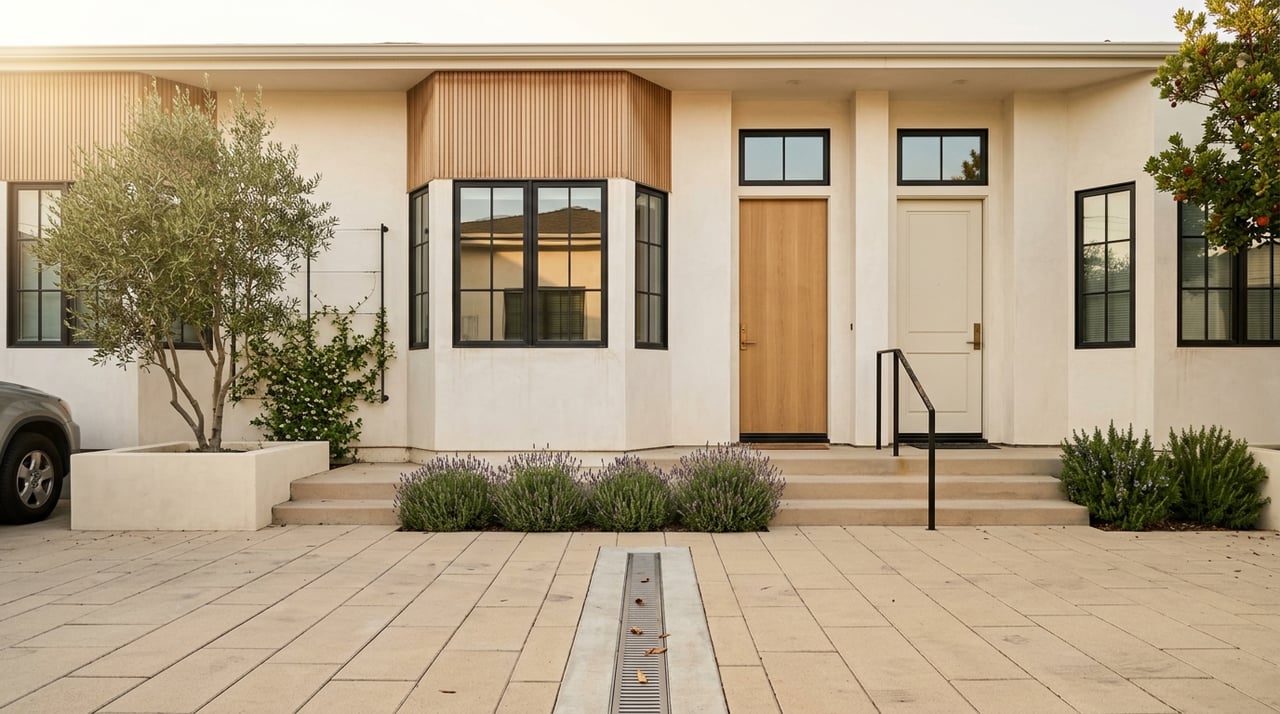
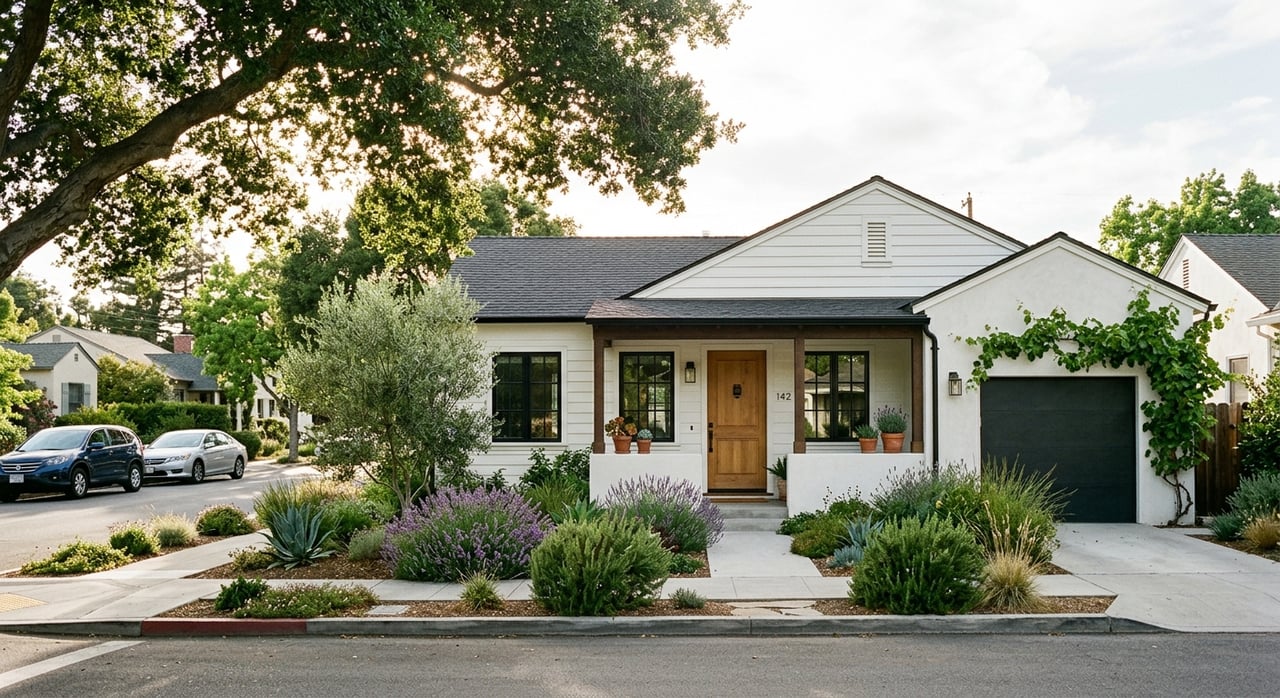
Near downtown, the residential fabric is visually mixed. The city’s historic-resources inventory describes common vernacular homes as rectangular forms with gabled or hipped roofs and wood-frame construction, while the architectural walking tour points to examples ranging from Victorian homes to Georgian Revival and Gothic-era buildings on nearby streets.
That variety is part of the charm. If you are drawn to homes with character, history, and a less standardized look, the neighborhoods near downtown can feel especially appealing.
The Practical Side of Daily Living
As inviting as downtown St. Helena is, it helps to be realistic about the practical details too. A charming, walkable historic core often comes with trade-offs compared with a newer suburban setting.
The city has noted an average residential lot size of about one-quarter acre, while many downtown commercial buildings sit directly on parcel lines. The result is a built environment that feels intimate and efficient rather than expansive.
Parking and Access
Parking is one of the clearest examples. The city says public street parking in St. Helena is free, but limited to three hours and enforced Monday through Saturday from 8 a.m. to 6 p.m. Sundays and listed holidays are not enforced.
That setup supports turnover in the downtown core, but it also tells you something important about the lifestyle. This is a place that rewards walking and shorter trips, not one designed around unlimited parking and large setbacks.
A Different Pace Than Suburbia
For many people, that is part of the appeal. You get a more connected, human-scale environment with restaurants, galleries, parks, and civic spaces close together.
Still, if you are moving from a more suburban area, it is smart to expect smaller-scale lots, older housing patterns, and more constrained parking than you may be used to. Knowing that in advance helps you make a better decision and appreciate the area for what it is.
Why Downtown St. Helena Stands Out
The most accurate way to describe everyday life around downtown St. Helena is this: it offers a compact historic core with a strong mix of dining, tasting rooms, galleries, parks, and civic amenities, while nearby housing tends to be older in character, smaller in scale, and shaped by the realities of a walkable town center.
That combination is what makes St. Helena distinctive. You are not choosing a generic neighborhood experience. You are choosing a place where history, convenience, culture, and community routines all play a visible role in daily life.
If you are thinking about buying, selling, or simply learning how a home near downtown fits your goals, local perspective matters. For tailored guidance on St. Helena and the wider Napa Valley market, connect with Monica Cline-Soulsburg & Senett Dawson.
FAQs
What is downtown St. Helena like for everyday living?
- Downtown St. Helena feels compact, walkable, and historic, with restaurants, shops, galleries, parks, and civic spaces concentrated near Main Street.
What amenities are near downtown St. Helena?
- Nearby amenities include dining and tasting destinations, retail shops, galleries, Cameo Cinema, the St. Helena Public Library, and parks such as Lyman Park and Lewis Station.
What kind of homes are near downtown St. Helena?
- Housing near downtown is largely detached single-family in character, with older homes, mixed architectural styles, and a market that feels established rather than entry-level.
Is downtown St. Helena easy to walk around?
- Yes. The historic core is relatively compact, with many buildings fronting the sidewalk and a layout that supports pedestrian-oriented daily routines.
What should buyers know about parking in downtown St. Helena?
- Public street parking is free, but generally limited to three hours and enforced Monday through Saturday from 8 a.m. to 6 p.m., with Sundays and listed holidays not enforced.