Selling a home in St. Helena can feel simple on the surface, but the homes that stand out usually have one thing in common: they are thoughtfully prepared before they ever hit the market. Buyers are browsing online first, comparing photos, floor plans, and property details long before they schedule a showing. If you want a stronger first impression, fewer surprises, and a smoother path to the sale, a smart prep plan matters. Let’s dive in.
Why preparation matters in St. Helena
In today’s market, your home often makes its first impression online. According to the National Association of Realtors, all buyers used the internet in their home search, and photos, detailed property information, and floor plans are especially valuable.
That means preparation is not just about tidying up before an open house. It is about making sure your home shows clearly in photos, feels easy to understand, and gives buyers confidence from the start.
In St. Helena, that process can also involve local factors that deserve early attention. Historic-overlay rules, wildfire defensible-space expectations, and rural property systems like wells or septic can all shape how you prepare for market.
Start 6 to 12 months early
If your timeline allows, give yourself several months to prepare. A longer runway gives you time to inspect the home, gather records, schedule vendors, and complete updates without rushing decisions.
This matters even more in St. Helena, where some exterior improvements may require city coordination or added review. Starting early helps you avoid last-minute delays and puts you in a better position when it is time to list.
Begin with a full assessment
A pre-sale inspection is not required, but it can be very useful. The National Association of Realtors notes that an inspection can reveal issues before buyers see them and help you decide what to repair, replace, or simply price accordingly.
Inspections may cover major systems and components such as the structure, roof, plumbing, electrical, HVAC, insulation, fireplaces, and certain health-related concerns. For older homes or properties with more complex features, that early insight can be especially helpful.
Get repair estimates for bigger items
If the inspection turns up larger-ticket concerns, gather repair estimates even if you do not plan to complete the work. Those estimates can help you understand what buyers may weigh during negotiations.
They can also help you make a more informed strategy. In some cases, a repair is worth doing before listing. In others, having documentation and realistic pricing guidance is the smarter move.
Organize your paperwork early
Before your home goes live, gather the records buyers commonly ask about. This may include permits, warranties, manuals, and service history.
Having that information ready can reduce stress later in the transaction. It also signals that you have maintained the property carefully and approached the sale in a transparent, organized way.
Focus on the updates that matter most
You do not need a full remodel to prepare your St. Helena home for sale. The strongest guidance points to clean, decluttered, lightly updated homes that are well photographed and easy for buyers to picture themselves in.
That is good news if you want to improve presentation without overinvesting. In many cases, the most effective work is also the most practical.
Declutter and depersonalize
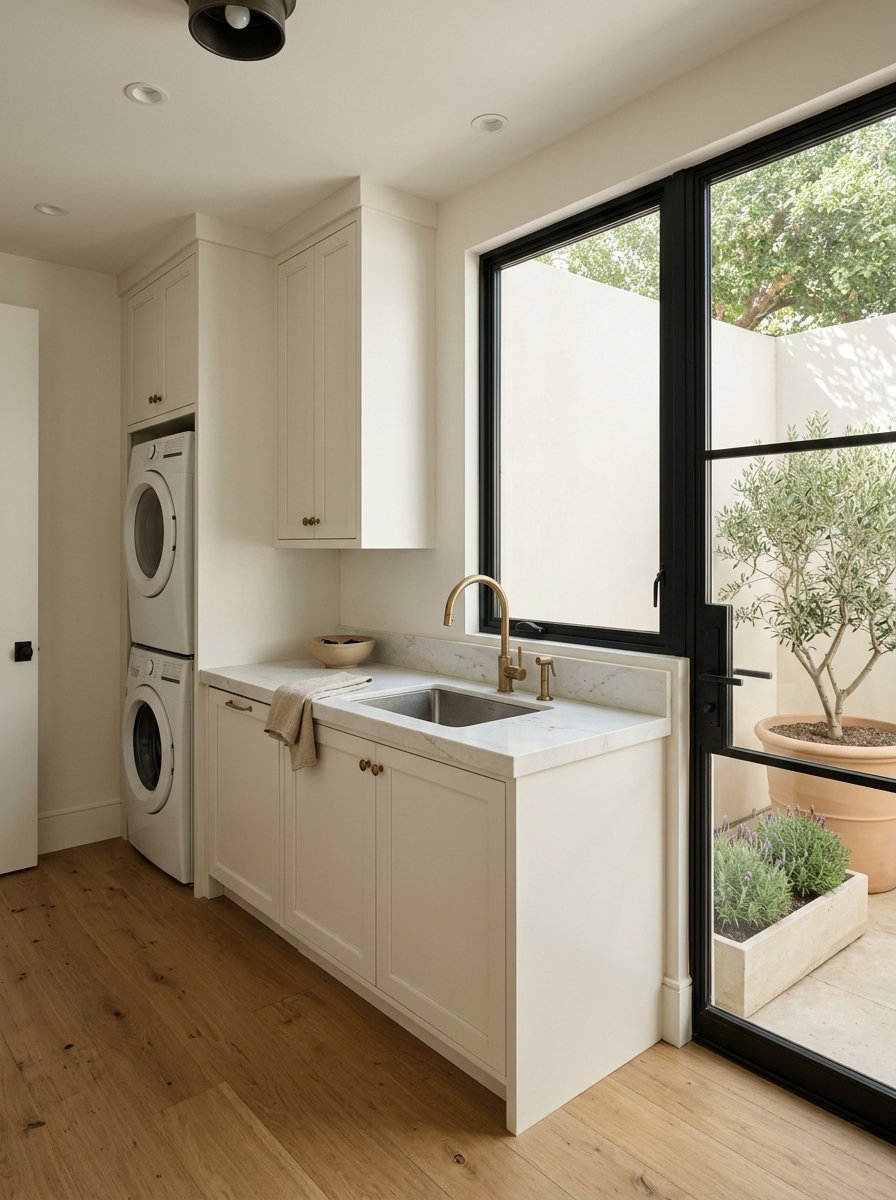
Decluttering is one of the simplest ways to improve how a home looks both in person and online. Clear counters, reduce extra furniture, remove personal items, and simplify shelves and surfaces.
The goal is not to strip away all personality. It is to help buyers notice the room itself, including its light, layout, scale, and architectural details, instead of focusing on your belongings.
Deep clean every room
A clean home feels cared for. NAR recommends focusing on details like windows, carpets, lighting fixtures, walls, counters, and surfaces, along with neutralizing odors.
In listing photos, small cleanliness issues often look larger than they do in real life. A deep cleaning can make the home feel brighter, fresher, and more move-in ready.
Make small cosmetic improvements
Cosmetic updates do not need to be dramatic to be effective. Cleaning up walls, refreshing paint where needed, brightening the front entry, and addressing visible wear can all improve presentation.
Think of these changes as helping your home read clearly. Buyers tend to respond well when the space feels calm, maintained, and easy to understand.
Improve curb appeal with intention
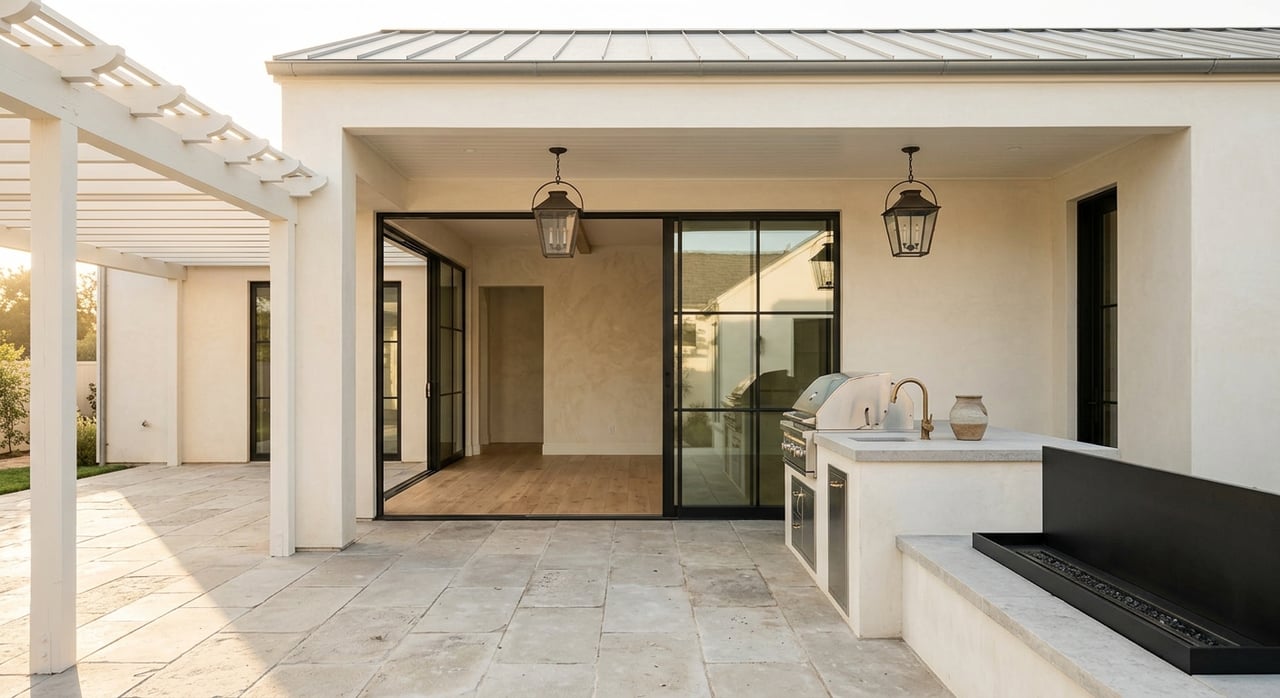
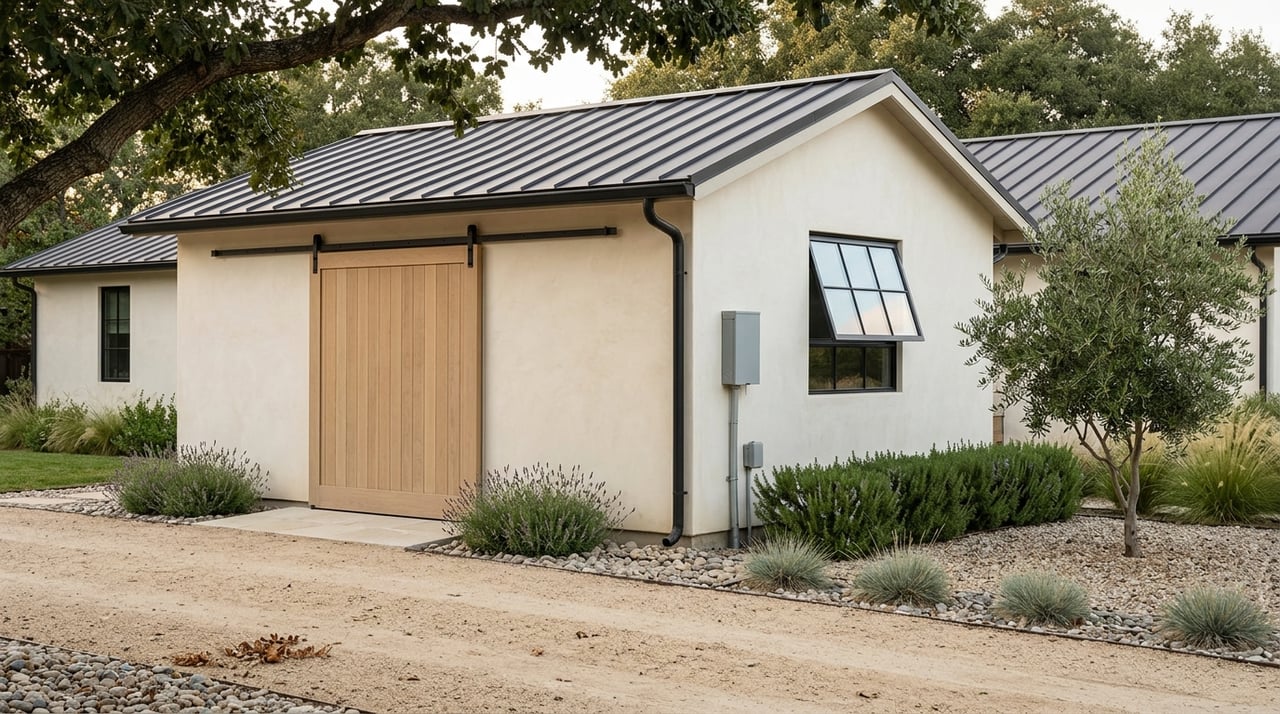
First impressions begin before a buyer walks through the front door. Curb appeal includes the way your home presents from the outside, including landscaping, porches, lighting, and pathways.
A focused exterior refresh can go a long way. For many sellers, the highest-impact tasks are trimming overgrowth, mowing and edging, cleaning the walkway, and making the entry feel polished and welcoming.
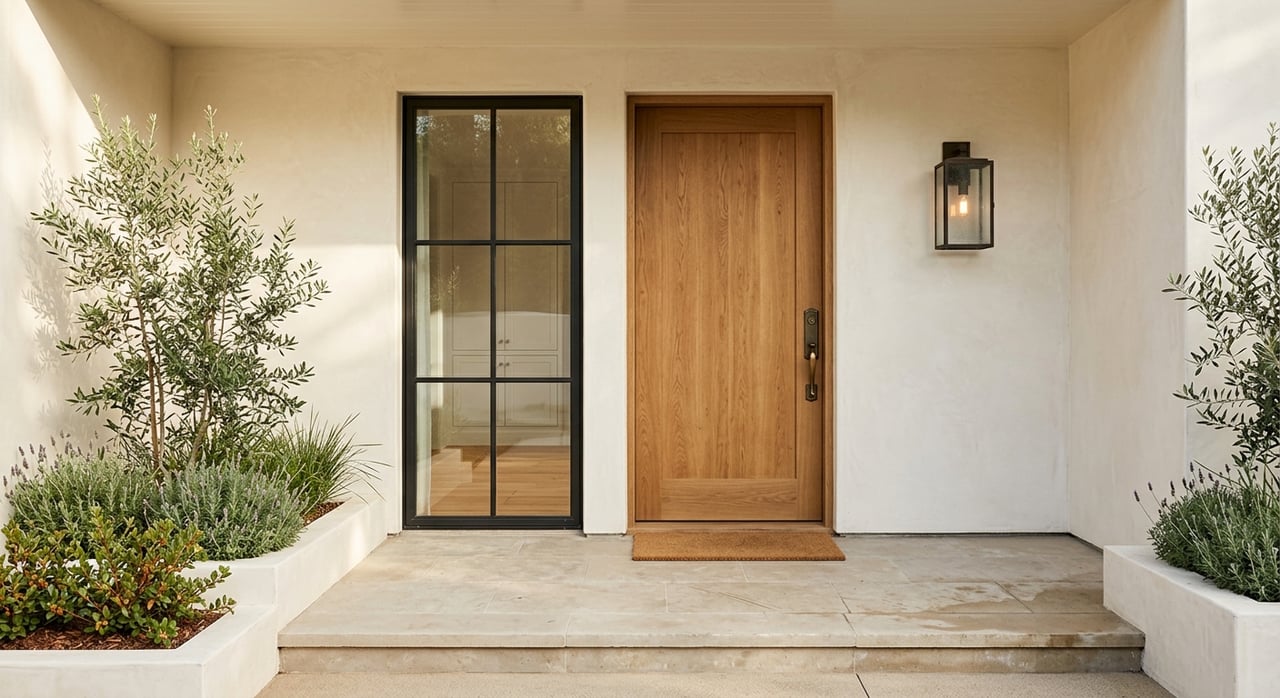
Prioritize the entry sequence
Your front door area deserves special attention. Refreshing the porch, cleaning up planters, and making sure the path to the entry feels neat and intentional can improve the overall impression quickly.
These updates do not need to be expensive. They simply need to help buyers feel that the property has been well maintained from the moment they arrive.
Check permit needs before exterior work
In St. Helena, some exterior work may involve city review. The city notes that work in the public right-of-way requires a permit, including certain street-facing improvements such as sidewalks or curb-related work.
If you are planning exterior repairs, it is wise to confirm the permit path before starting. That can help prevent wasted time and avoid questions later in the sale process.
Stage the home for photos and showings
Home staging is not required, but it is widely helpful. NAR’s 2025 staging report found that 83% of buyers’ agents said staging made it easier for buyers to visualize a home as their future residence.
In most cases, you do not need to stage every room. A lighter, strategic approach often works well, especially when paired with strong photography and a clean presentation.
Start with the key rooms
The most commonly staged spaces are the living room, primary bedroom, and dining room. These rooms often have the biggest impact because they help buyers picture daily life in the home.
Whether your property is a smaller in-town home or a larger estate, the same principle applies. Simplify the room so buyers can see the space and architecture clearly.
Prepare carefully for showing days
On showing days, practical details matter. Clear pathways, open window coverings, turn on lights, wipe fingerprints from handles and doors, and keep counters tidy.
It is also smart to secure valuables and medications. These small steps help the home feel orderly, bright, and easy to tour.
Watch for St. Helena-specific sale prep issues
Every market has its own details, and St. Helena is no exception. Some local issues can create delays or extra buyer questions if they are not addressed early.
A little upfront review can make your listing feel more polished and can help your transaction move with fewer surprises.
Historic-overlay homes need extra care
St. Helena has a Historic Preservation Overlay intended to safeguard historic and architectural character. The city’s rules emphasize compatibility with older development, including features such as setbacks, building coverage, height, eave depth, and street orientation.
If your home is in or near the overlay, confirm whether past exterior changes, additions, or visible alterations were permitted. Even updates that seem cosmetic may matter if they affected the exterior appearance or site layout.
Wildfire readiness should be part of prep
Wildfire preparation is especially relevant for vineyard-adjacent, hillside, or open-space properties. St. Helena’s fire guidance defines defensible space as the area within 100 feet of a structure, extended to 150 feet in wildland-urban interface areas.
Napa County also provides wildfire mapping tools that help residents understand property-specific hazards and planning requirements. If your parcel has vegetation, slope, or rural edges, defensible-space cleanup and documentation can be an important part of your listing preparation.
Rural systems deserve early review
If your property is not connected to public sewer, Napa County Environmental Health regulates wastewater treatment and disposal systems in county jurisdiction and within city limits where public sewer is not available. The county also issues permits for water-well construction and alternative sewage systems.
For sellers, that means it is helpful to know whether the property has a well, septic system, holding tank, or another nonstandard utility arrangement. Having records and recent service information ready can support buyer confidence.
Be ready for California disclosures
California sellers of single-family residential property are generally subject to the Transfer Disclosure Statement, which describes the property’s condition and must be delivered to the buyer as soon as practicable and before transfer of title. The California Department of Real Estate also notes that the TDS is not a warranty.
Natural hazard disclosures may also cover conditions such as flood zones, dam inundation areas, very high fire hazard severity zones, wildland fire areas, earthquake fault zones, and seismic hazard zones. In St. Helena, wildfire-related documentation can be especially relevant.
A simple prep checklist for sellers
If you want a practical place to start, focus on these steps:
- Schedule a pre-sale home assessment or inspection
- Gather permits, warranties, manuals, and service records
- Declutter and depersonalize room by room
- Deep clean the entire home
- Make small cosmetic repairs and touch-ups
- Refresh landscaping and front entry areas
- Review any permit needs for exterior work
- Check historic-overlay considerations if applicable
- Address defensible space and wildfire-related maintenance
- Confirm records for well, septic, or other rural systems if applicable
- Prepare for California disclosure paperwork
- Stage key rooms for photography and showings
The goal is confidence, not perfection
Preparing your St. Helena home for sale is not about making it flawless. It is about helping buyers see the home clearly, reducing uncertainty, and creating a stronger first impression online and in person.
When you plan ahead, focus on the right improvements, and address local issues early, you give yourself the best chance at a smoother and more successful sale. If you are thinking about listing and want a tailored strategy for your home, Monica Cline-Soulsburg & Senett Dawson can help you prepare with local insight, thoughtful coordination, and polished marketing.
FAQs
What should sellers do first when preparing a St. Helena home for sale?
- Start with an overall assessment of the property, then decide what to repair, clean, update, and document before listing.
Is a pre-listing inspection required for a St. Helena home sale?
- No. It is not required, but it can help uncover issues early and guide repair, pricing, and disclosure decisions.
How much staging does a St. Helena home usually need?
- Many homes benefit most from staging key spaces like the living room, primary bedroom, and dining room rather than every room.
Do St. Helena sellers need to worry about historic-overlay rules?
- If the home is in or near the Historic Preservation Overlay, visible exterior changes and permit history deserve careful review before listing.
What wildfire-related steps matter when selling a St. Helena property?
- Defensible space, vegetation management, and awareness of the property’s wildfire hazard mapping are important, especially for hillside, open-space, or vineyard-adjacent parcels.
What records are useful when selling a St. Helena home with a well or septic system?
- Buyers often appreciate having permits, service history, and system information ready for any well, septic, holding tank, or other nonstandard utility setup.