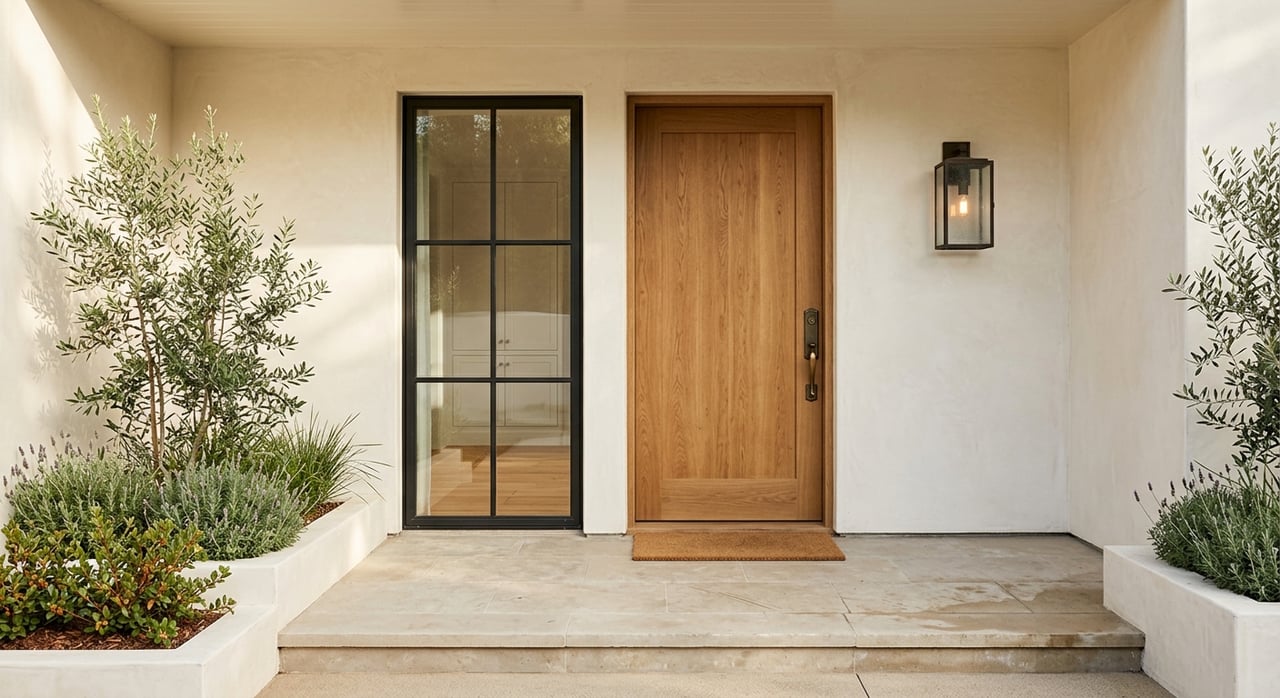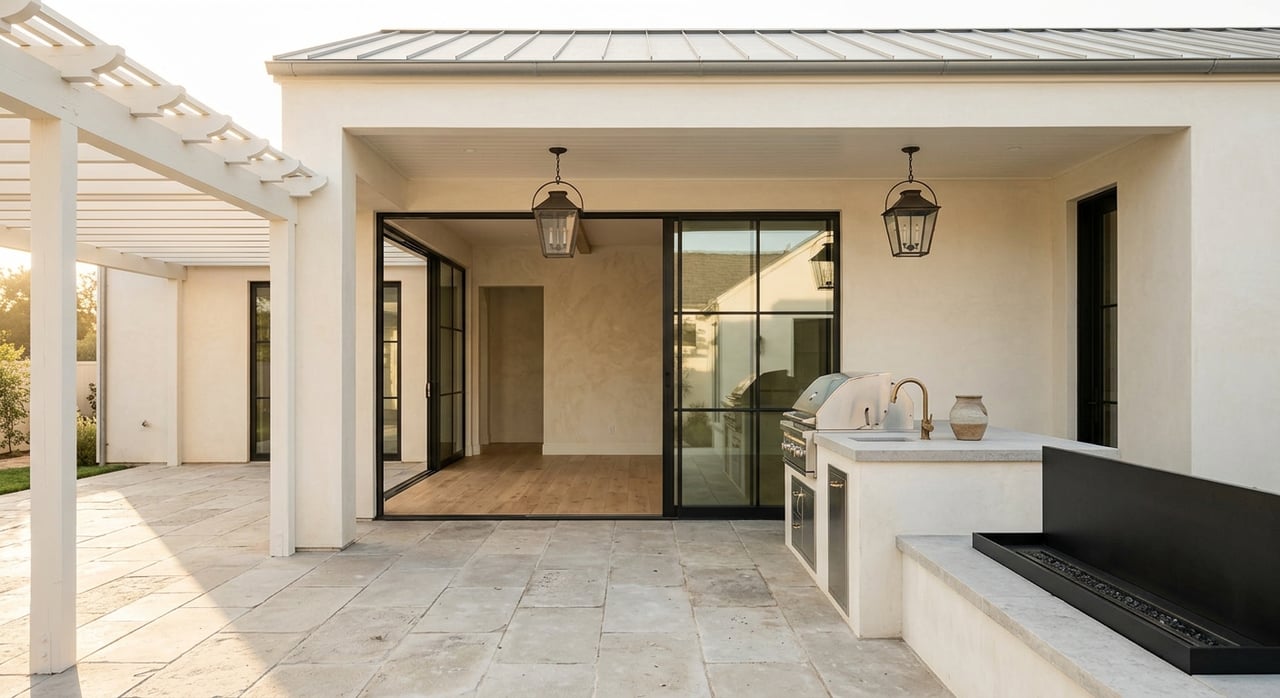
Are you picturing a big backyard, a shaded patio, or a walkable spot near downtown when you think about living in Napa? In this market, outdoor living often shapes how a home feels day to day, not just how it looks in photos. If you are buying or selling in Napa, it helps to understand how climate, location, and maintenance needs influence what people value most. Let’s dive in.
Why outdoor living matters in Napa
Napa’s lifestyle is closely tied to its wine-country setting. The City of Napa notes that the city sits in a county with about 475 wineries, and that Downtown Napa and the Oxbow District together feature more than 50 wine bars and tasting rooms. That setting naturally makes outdoor entertaining, scenic views, and usable yard space part of many home searches.
The local climate also supports time outside through much of the year. According to City of Napa fact sheets, Napa has a Mediterranean climate, with an average July high of 83°F, an average January low of 39°F, and roughly 27 inches of rain annually, most of it falling from October through March. For many buyers, that means outdoor space is not an extra. It is part of how they plan to live.
What buyers look for outdoors
In Napa, the most appealing outdoor areas are often the ones that feel easy, comfortable, and practical. A large lawn may sound attractive at first, but low-maintenance spaces often make more sense here because of water use and upkeep. Buyers tend to focus on how often they can actually enjoy the space and how much effort it will take to maintain it.
That usually puts attention on features like:
- Covered patios
- Shaded seating areas
- Flexible outdoor dining space
- Good drainage for the rainy season
- Landscaping that does not depend on heavy irrigation
- Yards designed for easy upkeep
These priorities line up with local conditions. The City of Napa reports that nearly half of Napa’s treated drinking water is used outdoors, which makes water-wise design an important part of long-term livability.
Napa’s climate shapes design choices
Napa’s weather supports outdoor living, but it also asks for thoughtful planning. Warm summers can make shade essential, while winter rain means drainage and hardscape layout deserve attention. The goal is not simply to have outdoor square footage. It is to have outdoor space that works well in different seasons.
For that reason, buyers often respond well to homes with patios, porches, decks, or entertaining areas that can adapt across the year. A space with shade in summer and a layout that handles wet weather well tends to feel more useful than a yard that looks good but needs constant work.
Water-wise outdoor spaces stand out
In Napa, outdoor appeal and water efficiency often go hand in hand. The City of Napa’s Water-Wise Landscaping guidance recommends native and low-water plants, hydrozoning, limiting turf, using mulch, and adjusting irrigation regularly. For buyers, that can translate into lower maintenance and a yard better suited to local conditions.
The city also has watering rules that affect daily upkeep. Irrigation is prohibited between 10 a.m. and 5 p.m. and during rain or within 48 hours after measurable rainfall. If you are evaluating a home’s outdoor space, it helps to think beyond appearance and ask whether the landscaping is set up to work well within those rules.
Larger yards are not always better
A bigger lot can be appealing, but in Napa, usability often matters more than size alone. An outdoor space that offers defined seating, dining, shade, and simple landscaping may feel more valuable than a larger yard with more maintenance demands. Buyers are often comparing lifestyle, not just acreage.
This is especially true when you factor in local water guidance and seasonal conditions. A well-designed smaller yard can support entertaining, quiet evenings outside, and everyday ease without the burden of a turf-heavy layout. That balance can be a meaningful selling point as well.
Neighborhood location changes outdoor priorities
The City of Napa says the city includes 26 neighborhoods, each with its own character, history, and needs. That matters because outdoor living in Napa is not one-size-fits-all. The right fit depends on whether you want walkability, views, trail access, river proximity, or a more traditional yard setup.
When buyers compare homes, they are often weighing location and outdoor lifestyle together. A home near downtown may offer easier access to restaurants and riverfront amenities, while a hill-area property may appeal more for views and privacy. Understanding those tradeoffs can help you make a more confident choice.
Downtown Napa for walkability
If your ideal outdoor lifestyle includes strolling to dining, shopping, and public spaces, Downtown Napa stands out. The city describes Downtown as a vibrant mixed-use area around the bends of the Napa River, with easy walks to Oxbow Public Market, the seasonal farmers market, restaurants, the Napa Valley Opera House, and downtown shopping.
For buyers in this area, outdoor living may look less like a large private yard and more like a walkable daily routine. A smaller patio, balcony, or courtyard can still feel highly valuable when it pairs with nearby access to the riverfront and downtown activity.
Alta Heights and Browns Valley West for views
Some buyers are drawn to outdoor living that feels quieter and more elevated. In Alta Heights, the City of Napa says many homes enjoy sweeping views of the city and beyond from a higher position above the valley floor. Browns Valley West is another hill-based area where many homes enjoy sweeping valley views.
In these areas, outdoor features that frame the landscape can carry strong appeal. Decks, patios, and seating areas that take advantage of the setting may matter just as much as yard size. For many buyers, the connection to the view becomes the main outdoor amenity.
Stonehouse for river and trail access
If access to trails and the river matters most, Stonehouse is worth attention. The city notes that this neighborhood borders the Napa River and that the Napa River Trail runs along its eastern edge. That direct connection can shape how buyers think about exercise, fresh air, and time outside.
In locations like this, outdoor living is not limited to the lot itself. Proximity to public trails and the river can expand your options for walking, biking, and everyday recreation.
Westwood and nearby park access
Westwood offers another version of Napa outdoor living. The city describes it as an established residential area that includes Westwood Hills Park and many homes dating to the 1950s. For buyers who want neighborhood surroundings with easy access to open space, that park connection can be a meaningful part of the appeal.
Nearby trail and park access can sometimes matter as much as private outdoor features. If you enjoy hiking or walking regularly, living near an established outdoor destination may shape your home choice more than the size of the backyard.
Bel Aire for convenience and flexibility
Bel Aire is described by the city as having quiet, tree-lined, wide residential streets with active commercial centers and easy access to the highway and up-valley locations. That kind of location may appeal to buyers who want practical convenience along with outdoor space at home.
In areas like Bel Aire, buyers may focus on how the property supports everyday routines. A usable patio, manageable yard, and comfortable street setting can all contribute to a lifestyle that feels easy to maintain.
Outdoor recreation adds to the lifestyle
Napa’s broader outdoor network also shapes what buyers value. Napa County describes the Napa Valley Vine Trail as an off-street multi-use path for commuters and recreational riders between Yountville and Napa, with plans to eventually connect all five municipalities in Napa County and Vallejo. The City of Napa also highlights local trail destinations such as Alston Park, Oxbow Preserve, Trancas Crossing Park, and Westwood Hills Park.
That means outdoor living in Napa is not only about what happens in your yard. It also includes how quickly you can reach trails, parks, and scenic routes that support your routine. For some buyers, that access is central to the decision.
Visit Napa Valley also highlights boating, kayaking, paddleboarding, hiking, walking, and biking as part of outdoor life in the region. It points to Skyline Wilderness Park at the southeast edge of Napa, where visitors can find more than 25 miles of trails as well as picnic and barbecue areas. Together, these amenities show why outdoor-oriented buyers often look carefully at both home features and location.
Landscaping can affect permits
If you are planning to change a yard after you buy, it is smart to understand local rules early. The City of Napa’s Water Efficient Landscape Ordinance applies to new landscapes of at least 500 square feet and rehabilitated landscapes of at least 2,500 square feet. Covered projects require landscape and irrigation documentation before permit issuance.
That does not mean every yard project will be complicated, but it does mean planning matters. If a property’s value to you depends on a major outdoor redesign, you will want to consider those requirements as part of the decision process.
Fire safety can influence outdoor planning
Outdoor living in and around Napa can also involve wildfire planning. Napa County describes defensible space as a property’s frontline defense against wildfire and provides a Wildfire Fuel Mapper to help residents understand parcel-specific fire hazards. In unincorporated areas, the county also offers a free chipping service to help residents comply with defensible-space requirements and reduce wildfire risk.
For buyers considering properties where fire risk may be a concern, landscaping choices are not only about style. Plant selection, spacing, and overall maintenance can affect how the property functions over time. That is another reason outdoor spaces in Napa are often judged by practical design, not just appearance.
What this means for buyers
If you are buying in Napa, it helps to define what outdoor living means to you before you start comparing homes. You may care most about walkability, views, a dining patio, trail access, low maintenance, or room to entertain. Once you know your priorities, it becomes easier to sort through homes that may look similar online but live very differently in person.
A clear plan can also keep you from overpaying for features you may not use. The best-fit property is often the one that matches your actual routine and comfort level with maintenance, not the one with the biggest yard or the most dramatic first impression.
What this means for sellers
If you are selling, outdoor presentation deserves real attention in Napa. Buyers are often evaluating whether the space feels inviting, useful, and aligned with local conditions. A clean, well-planned yard with shaded areas and water-wise landscaping can communicate value more clearly than a high-maintenance setup.
This is where thoughtful preparation matters. Positioning the outdoor space around comfort, usability, and ease of care can help buyers see how the property fits Napa living today.
If you are preparing to buy or sell and want local guidance on how outdoor features affect value and buyer appeal in Napa, connect with Monica Cline-Soulsburg & Senett Dawson. Their Napa Valley experience and concierge-level approach can help you evaluate what matters most for your goals.
FAQs
How does Napa’s climate affect outdoor living at home?
- Napa has a Mediterranean climate with warm summers, cooler winters, and most rainfall from October through March, so buyers often value shade, drainage, and outdoor spaces that work across seasons.
What outdoor features matter most in Napa homes?
- Many buyers focus on covered patios, shaded seating, flexible dining areas, good drainage, and landscaping that is easy to maintain and does not rely heavily on irrigated lawn.
Which Napa neighborhoods support walkable outdoor living?
- Downtown Napa is a strong option for buyers who want a walkable setting near the Napa River, Oxbow Public Market, restaurants, shopping, and other downtown amenities.
Which Napa areas are known for views?
- Alta Heights and Browns Valley West are both described by the City of Napa as areas where many homes enjoy sweeping views.
Where can you find river or trail access in Napa?
- Stonehouse has a direct connection to the Napa River and the Napa River Trail, and the city also highlights trail destinations such as Alston Park, Oxbow Preserve, Trancas Crossing Park, and Westwood Hills Park.
Are there Napa rules for watering and landscaping?
- Yes. The City of Napa prohibits irrigation between 10 a.m. and 5 p.m. and during rain or within 48 hours after measurable rainfall, and some larger landscape projects may fall under the city’s Water Efficient Landscape Ordinance.
How can wildfire planning affect a Napa property’s outdoor space?
- Napa County says defensible space is a frontline defense against wildfire, so landscaping and maintenance choices may play an important role for properties where fire risk is a factor.