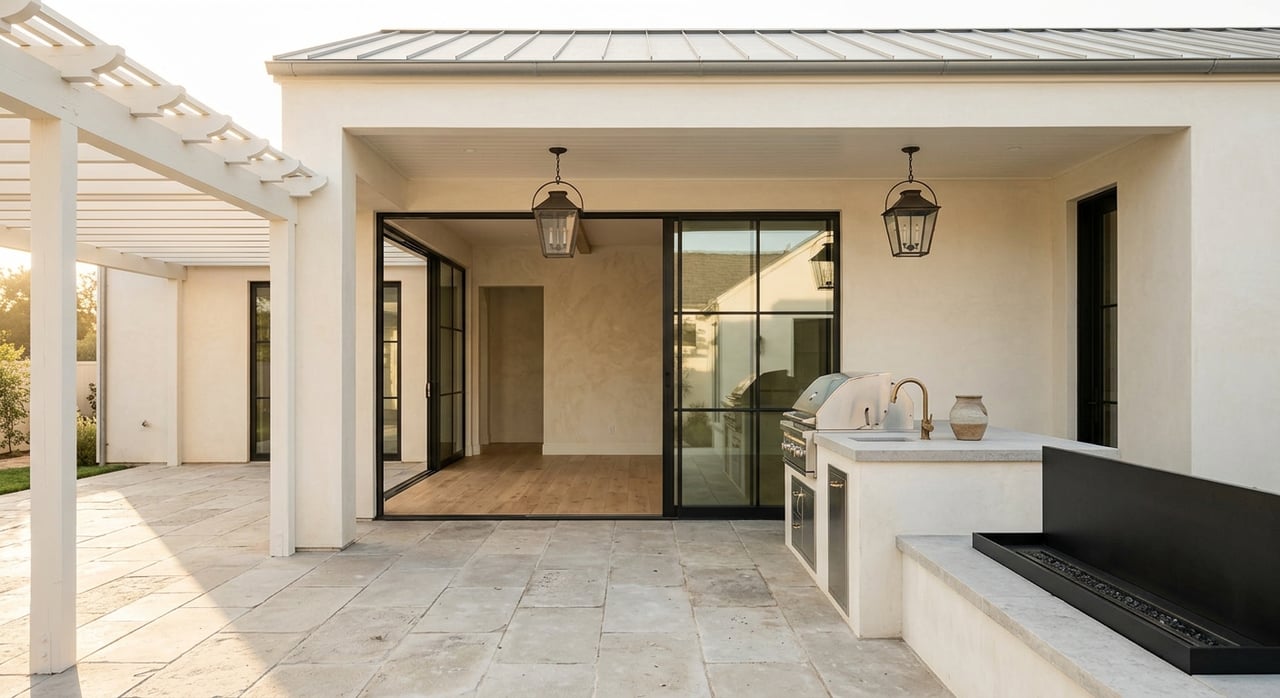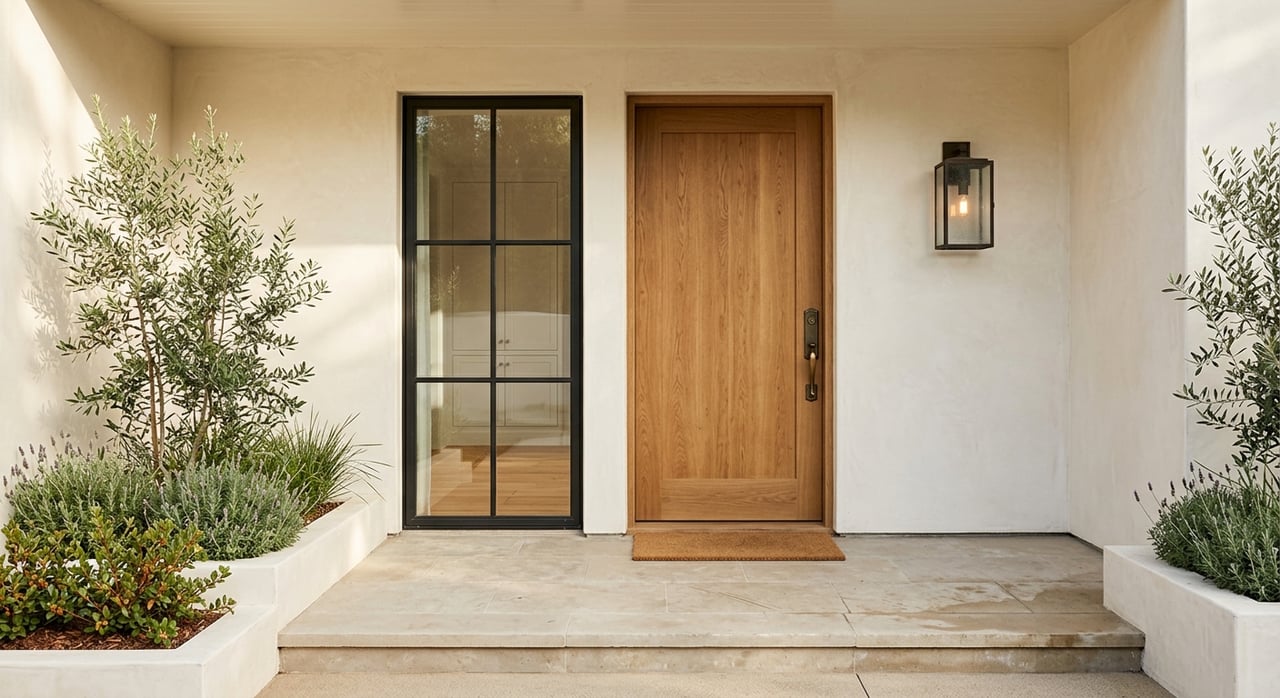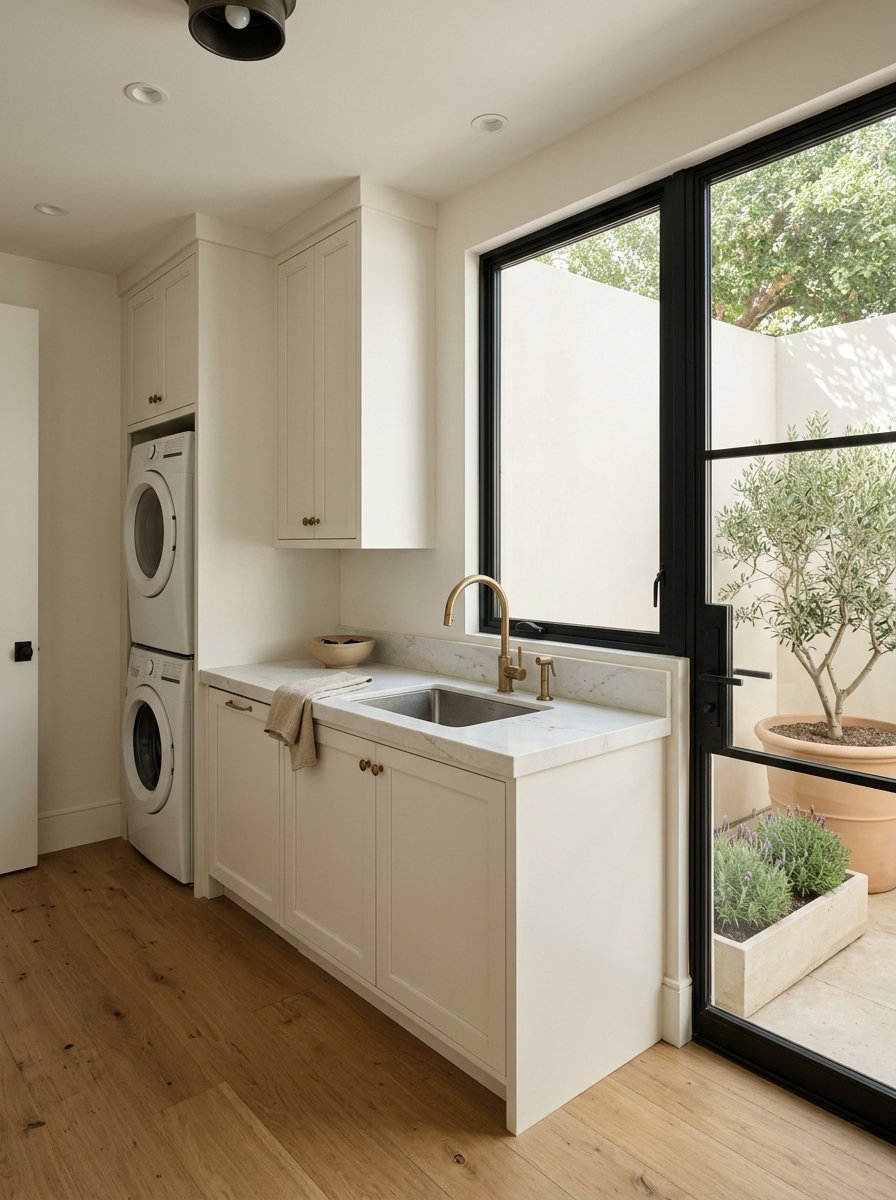
Dreaming of more space, more privacy, and those iconic Napa Valley views? Country living near St. Helena can absolutely deliver that lifestyle, but it also comes with practical details that matter just as much as the scenery. If you are considering a rural property in this area, understanding roads, utilities, agricultural activity, and parcel history can help you make a smarter, more confident decision. Let’s dive in.
Country living means more than views
Near St. Helena, country living is often shaped by Napa County land-use rules rather than a typical neighborhood subdivision pattern. The county’s General Plan guides development in the unincorporated areas, and code compliance is handled differently depending on whether a property is inside or outside city jurisdiction.
That matters because a home just outside town can feel very different from one within St. Helena city limits. The setting may be more open, the parcel may be much larger, and the ownership responsibilities may be more hands-on.
Larger parcels are part of the appeal
One reason rural property near St. Helena feels so distinct is parcel size. Napa County zoning tables show Agricultural Preserve parcels at 40 acres and Agricultural Watershed parcels at 160 acres, which helps explain the sense of openness and privacy many buyers are looking for.
Some parcels may also be under Williamson Act or Agricultural Preserve contracts if they qualify and are in agricultural use. For you as a buyer, that is a reminder that country property here often exists within a working agricultural framework, not just a residential one.
Privacy can come with active surroundings
A vineyard-edge or hillside setting can be beautiful, but it is not always quiet in the way some buyers expect. Napa County’s right-to-farm rules protect lawful agricultural operations when they are legal, follow accepted customs and standards, and are operated non-negligently.
In practical terms, that means nearby agricultural activity may be part of daily life. The views may be serene, but the setting can include normal farming sounds, seasonal work, and equipment use.
Roads deserve close attention
Access is one of the biggest due diligence items for rural property near St. Helena. Napa County road standards allow some private road development with county approval, but the county does not maintain private roads.
That single fact can affect your budget, convenience, and long-term maintenance responsibilities. If a road is private, you will want to know who handles grading, paving, drainage, and cleanup after storms.
Ask whether the road is public or private
This is one of the first questions to ask when evaluating a country property. If the road is private, there may be a recorded maintenance agreement, shared cost structure, or homeowners association involved.
You should also understand how the road serves safe access, evacuation, and first-responder needs, since those standards are part of Napa County’s road rules. A beautiful property can feel very different once you understand the realities of getting to and from it year-round.
Driveway and surfacing details matter
County standards generally call for paved roads, while agricultural roads and residential driveways may have different surfacing requirements. That means a rural approach road or long driveway may not look or function like a typical in-town street.
Before moving forward, it is worth looking closely at the condition of the access route and any known maintenance obligations. These details can affect both everyday use and long-term ownership costs.
Utilities can vary from parcel to parcel
One of the biggest differences between in-town and country living near St. Helena is how a property is served. Inside St. Helena, Public Works maintains city streets, storm drains, water distribution and treatment, and wastewater collection and treatment.
The city says it provides water and sewer service to more than 2,600 residents and businesses within and outside city limits. Its water supply comes from Bell Canyon Reservoir, Stonebridge Wells, and water purchased from the City of Napa.
Some properties rely on private systems
A property near St. Helena may be on municipal service, but it may also rely on a private well, a private or shared system, or onsite wastewater treatment. Napa County Environmental Health regulates wastewater treatment and disposal systems in the unincorporated county and on city parcels not served by public sewer.
The county also reviews and issues permits for water wells, soil borings, monitoring wells, and geothermal wells. For you, that means utility service is often highly parcel-specific and should never be assumed.
Well and wastewater planning can be long term
St. Helena’s well construction checklist shows how formal utility planning can become. The city notes that a well permit may require review by a qualified hydrogeologist or similar professional, and an exception from connecting to public water may require a long-term maintenance entity, recorded notices, and a hold-harmless agreement.
That is an important signal for buyers. Private utility solutions can work well, but they may come with ongoing maintenance responsibilities and documented obligations tied to the property.
Outbuildings need careful review
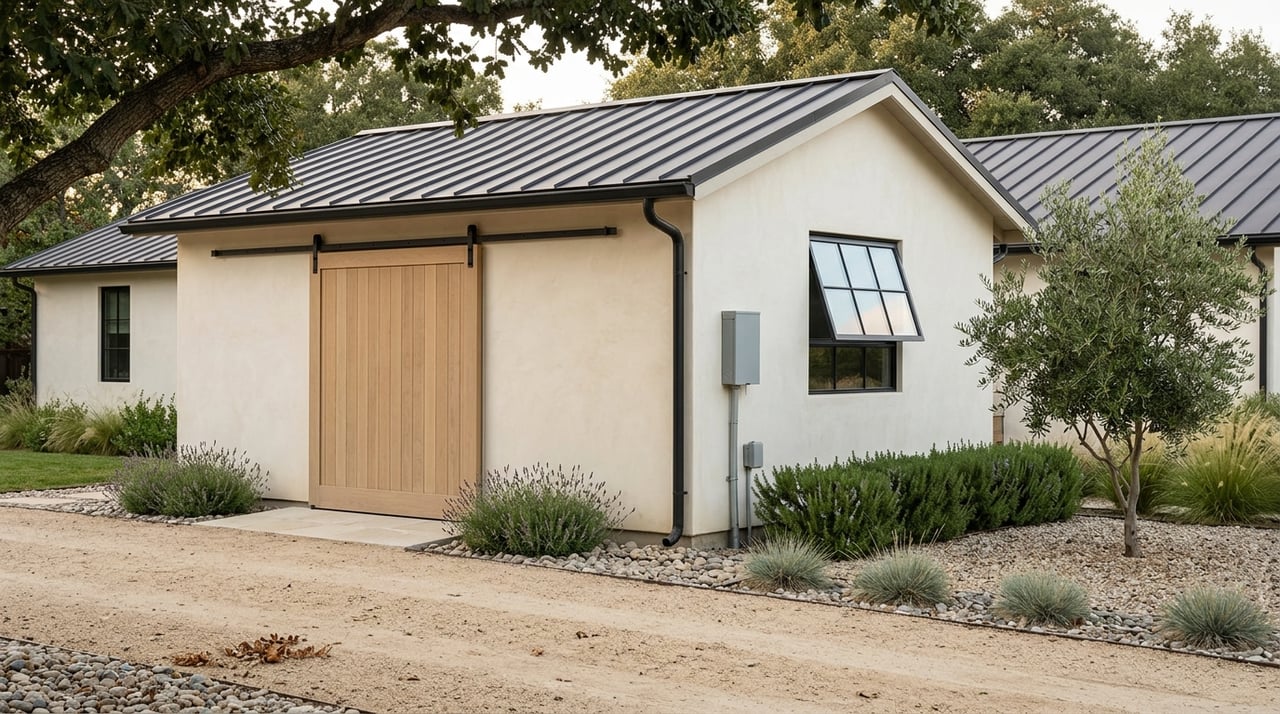
Barns, workshops, and accessory structures are often part of the country-property appeal. They can add flexibility and charm, especially on larger parcels.
At the same time, Napa County code compliance specifically flags unpermitted changes of use as an issue. For example, a barn used for residential purposes without proper approval can create building-code problems.
Confirm how each structure is permitted
If a property includes outbuildings, ask how they were approved and how they are legally allowed to be used. This is especially important if you are counting on a structure for a specific purpose.
A quick visual review is not enough. The recorded history, permits, and current use all matter.
Due diligence goes beyond a standard home inspection
A standard home inspection is still important. California law defines it as a noninvasive physical examination of the mechanical, electrical, plumbing, structural, and essential components of a one-to-four unit residential dwelling.
But on a rural parcel near St. Helena, that is only part of the picture. The home itself is one piece of the decision, while access, utilities, permits, and code history can be just as important.
Check jurisdiction and property history
Napa County advises buyers in unincorporated areas to check property history before purchasing because new owners become responsible for correcting code violations. The county also reminds buyers to confirm whether a property falls under city or county jurisdiction, since it does not enforce code violations inside city and town jurisdictions like St. Helena.
That distinction is easy to miss, but it can shape where you verify permits, violations, and compliance records. For rural buyers, this is one of the most practical steps in the process.
Smart questions to ask before you buy
If you are exploring country living near St. Helena, these are some of the most useful questions to ask early:
- Is the property inside St. Helena city jurisdiction or in unincorporated Napa County?
- Is the road public or private?
- If the road is private, who pays for maintenance and is there a recorded agreement?
- Is the home on city water and sewer, a private well and onsite wastewater system, or a shared setup?
- Are there open permits, unresolved code issues, or recorded maintenance obligations?
- If there are barns or outbuildings, are their current uses properly permitted?
- Is the surrounding area an active agricultural setting with normal farm operations nearby?
These questions may not be as exciting as a view deck or entertaining barn, but they often tell you more about the day-to-day ownership experience.
What this means for buyers near St. Helena
The right country property can be incredibly rewarding. You may gain privacy, space, and a setting that feels uniquely tied to Napa Valley’s landscape.
At the same time, successful rural buying is about pairing lifestyle goals with careful review of the parcel itself. Roads, utilities, agricultural context, and permit history are not side notes. They are central to how the property functions.
When you understand those moving parts early, you can evaluate properties more clearly and avoid surprises later. That is especially valuable in an area like St. Helena, where the difference between in-town and country ownership can be significant.
If you are considering a rural home, vineyard-adjacent property, or private estate near St. Helena, working with a team that understands Napa Valley’s local nuances can make the process feel far more straightforward. To talk through your goals and the details that matter most, connect with Monica Cline-Soulsburg & Senett Dawson.
FAQs
What does country living near St. Helena usually involve?
- It often means larger parcels in Napa County’s agricultural framework, with added attention needed for access, utilities, surrounding agricultural activity, and permit history.
Are rural roads near St. Helena always maintained by the county?
- No. Napa County states that private roads may be allowed with approval, but the county does not maintain them.
Can a property near St. Helena have private well and wastewater systems?
- Yes. Some properties may be on city utilities, while others may rely on private wells, shared systems, or onsite wastewater treatment depending on the parcel.
Do outbuildings on country property near St. Helena need permit review?
- Yes. Napa County flags unpermitted changes of use, including using a barn for residential purposes, as a code-compliance issue.
Is a standard home inspection enough for a rural property near St. Helena?
- Usually no. A standard inspection is important, but buyers should also review road access, utility setup, jurisdiction, code history, and permit records.
Why does jurisdiction matter for property due diligence near St. Helena?
- It matters because code compliance is handled differently inside and outside city limits, and Napa County does not enforce code violations within St. Helena city jurisdiction.